
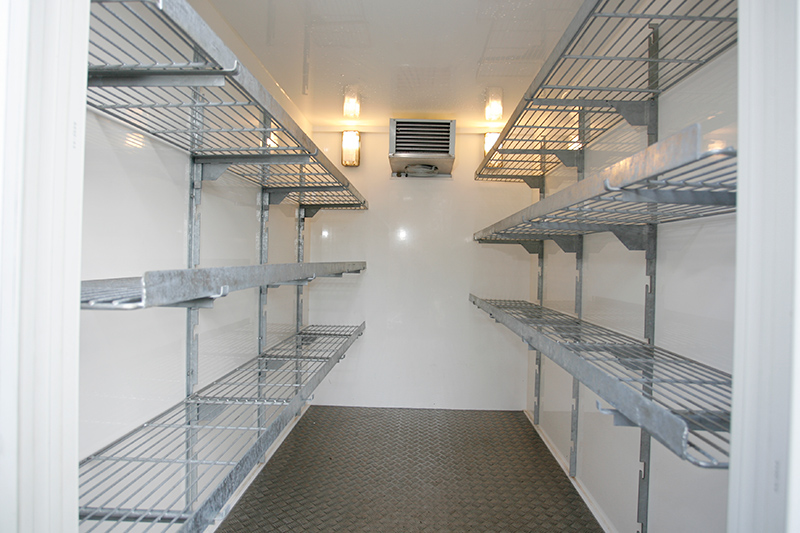
Cool room refrigeration is a fundamental aspect of various industries, including food service, medicine, and floriculture, where maintaining specific temperature conditions is critical. This comprehensive guide delves into the intricacies of cool room refrigeration, offering insights into how it operates, its benefits, and considerations to keep in mind when implementing or maintaining a system.
Understanding Cool Room Refrigeration
Cool room refrigeration, also known as a walk-in cooler, is a controlled environment designed to maintain perishable items at specific temperatures to prolong their shelf life and maintain quality. Unlike standard refrigerators, cool rooms are larger spaces that can be customised to fit the needs of businesses and industries requiring bulk storage at constant temperatures.
How it Works: At its core, a cool room operates through a refrigeration cycle that involves a refrigerant passing through a compressor, condenser, expansion valve, and evaporator. This cycle effectively removes heat from the interior of the room and releases it externally, thus maintaining the desired cool temperature within.
Key Benefits of Cool Room Refrigeration
- Efficiency and Storage: Cool rooms provide ample space, allowing for efficient storage and organisation of large quantities of goods. This is particularly beneficial for businesses that deal with bulk products.
- Temperature Control: With advanced technology, cool room refrigeration systems offer precise temperature controls, ensuring that products are stored at optimal conditions to maintain freshness and prevent spoilage.
- Energy Efficiency: Modern cool rooms are designed with energy efficiency in mind, utilising insulation and refrigeration systems that minimise energy consumption while maintaining performance.
- Versatility: They can be customised in various sizes and with different shelving options to meet the specific needs of a business, making them a versatile solution for many industries.
Considerations for Optimal Cool Room Operation
- Proper Installation: Ensure that your cool room is installed by a professional to guarantee that it operates efficiently and safely.
- Regular Maintenance: Routine checks and maintenance are crucial to ensure the longevity and proper functioning of the cool room. This includes cleaning, checking the refrigeration cycle, and inspecting for any potential issues.
- Temperature Monitoring: Continuously monitor the temperature within the cool room. Sudden changes can indicate a problem that needs immediate attention to prevent product loss.
- Energy Efficiency Practices: Employ practices such as installing strip curtains, using proper insulation, and keeping the door closed when not in use to enhance energy efficiency.
Future Trends and Innovations
The future of cool room refrigeration includes advancements in technology and sustainability. Innovations such as smart monitoring systems and eco-friendly refrigerants are becoming more prevalent, offering ways to improve efficiency and reduce environmental impact. Additionally, there is a growing trend towards customisation and modular designs, allowing businesses to adapt their cool rooms to changing needs and technologies.
Conclusion
Cool room refrigeration is more than just an essential asset for businesses requiring temperature control; it’s a sophisticated system that, when understood and utilised correctly, can significantly improve product quality, reduce waste, and enhance operational efficiency. Whether you’re in the food industry, pharmaceuticals, or any sector that demands precise temperature regulation, understanding the fundamentals of cool room refrigeration is the first step towards achieving optimal storage conditions and business success. As technology advances, so too will the capabilities and efficiency of cool room refrigeration, making it an exciting field to watch and embrace.




