
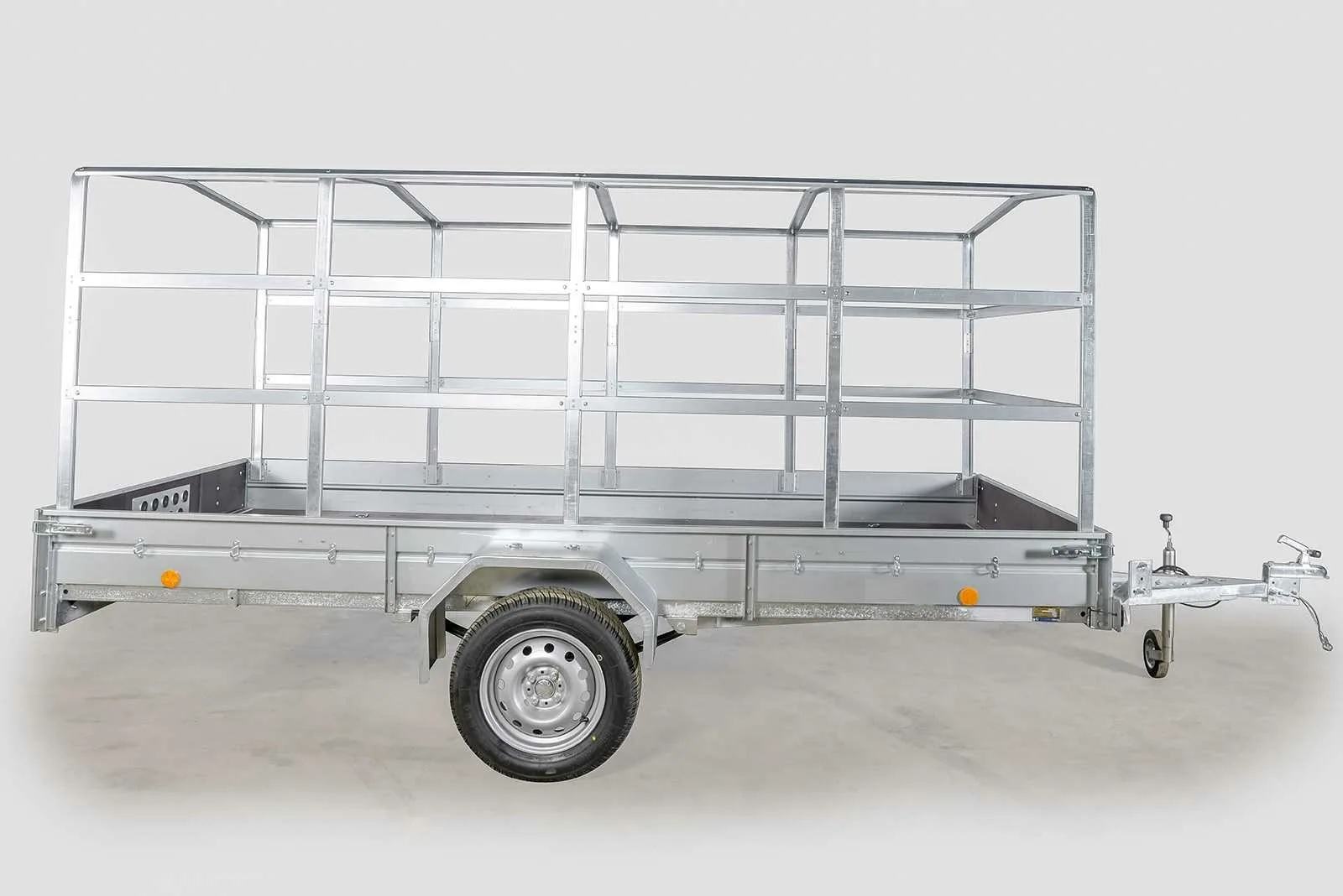
A 10×5 trailer is a practical option for transporting materials, equipment, and household items. The size offers a balance between load capacity and ease of towing, making it suitable for general transport tasks such as moving garden waste, carrying tools, or hauling small loads for home projects. Understanding the size, capacity, and essential features helps in selecting a trailer that suits different transport needs while maintaining safety on the road.
Understanding the Size of a 10×5 Trailer
The term 10×5 trailer typically refers to a trailer with an internal tray length of approximately 10 feet and a width of about 5 feet. This size provides enough space for many everyday transport tasks without becoming too large to manoeuvre or store.
A trailer of this size is commonly used for:
- Transporting landscaping materials such as soil, mulch, or plants
- Carrying tools and equipment for small trade jobs
- Moving furniture or household items during relocation
- Handling general rubbish or garden waste
Because of its moderate dimensions, a 10×5 trailer is compatible with many standard vehicles equipped with a suitable tow bar.
Load Capacity Considerations
Load capacity is one of the most important factors when choosing a trailer. Capacity is usually determined by the Aggregate Trailer Mass (ATM) and the tare weight of the trailer.
- ATM refers to the maximum total weight of the trailer when fully loaded.
- Tare weight refers to the empty weight of the trailer.
The difference between these values indicates the maximum payload the trailer can safely carry.
Exceeding the recommended load capacity can affect vehicle handling, braking distance, and overall safety. Distributing the load evenly across the trailer bed also helps maintain stability while towing.
Key Features to Look For
Several design and construction features influence the usability and durability of a trailer.
Strong Frame Construction
A solid steel frame is commonly used in trailers to support heavy loads. Reinforced chassis components help maintain structural integrity during regular use.
High or Removable Sides
Trailer sides may be fixed, removable, or extendable. Higher sides increase carrying capacity for bulky materials such as green waste or construction debris.
Tailgate Design
A sturdy tailgate allows easy loading and unloading. Some trailers include fold-down or ramp-style tailgates that assist with moving equipment such as lawn mowers or small machinery.
Suspension System
A reliable suspension system improves stability during towing. Leaf spring suspension is widely used for its durability and ability to handle heavy loads.
Braking System
Some trailers include mechanical or electric brakes, especially when carrying heavier loads. Braking systems help improve control and safety during transport.
Additional Practical Considerations
Before purchasing a trailer, it is helpful to consider factors such as storage space, towing compatibility, and maintenance requirements. Checking tyre condition, lights, and coupling mechanisms regularly helps maintain safe operation.
Understanding local towing regulations and vehicle towing limits is also important to ensure compliance with road safety requirements.
FAQs
1. What can a 10×5 trailer typically be used for?
A 10×5 trailer is commonly used for transporting garden waste, tools, building materials, and household items. Its size makes it suitable for both residential and small trade tasks.
2. What is the typical load capacity of a 10×5 trailer?
Capacity varies depending on design and construction, but many trailers of this size support loads between 750 kg and 1200 kg, depending on the ATM rating.
3. Does a 10×5 trailer require brakes?
Some trailers include braking systems, especially when designed for heavier loads. Requirements may vary depending on the trailer weight and local road regulations.
4. What vehicles can tow a 10×5 trailer?
Many standard cars, SUVs, and utility vehicles can tow a 10×5 trailer, provided the vehicle’s towing capacity is suitable.
5. How should loads be placed in a trailer?
Loads should be distributed evenly, with slightly more weight positioned toward the front of the trailer to maintain stability while towing.