
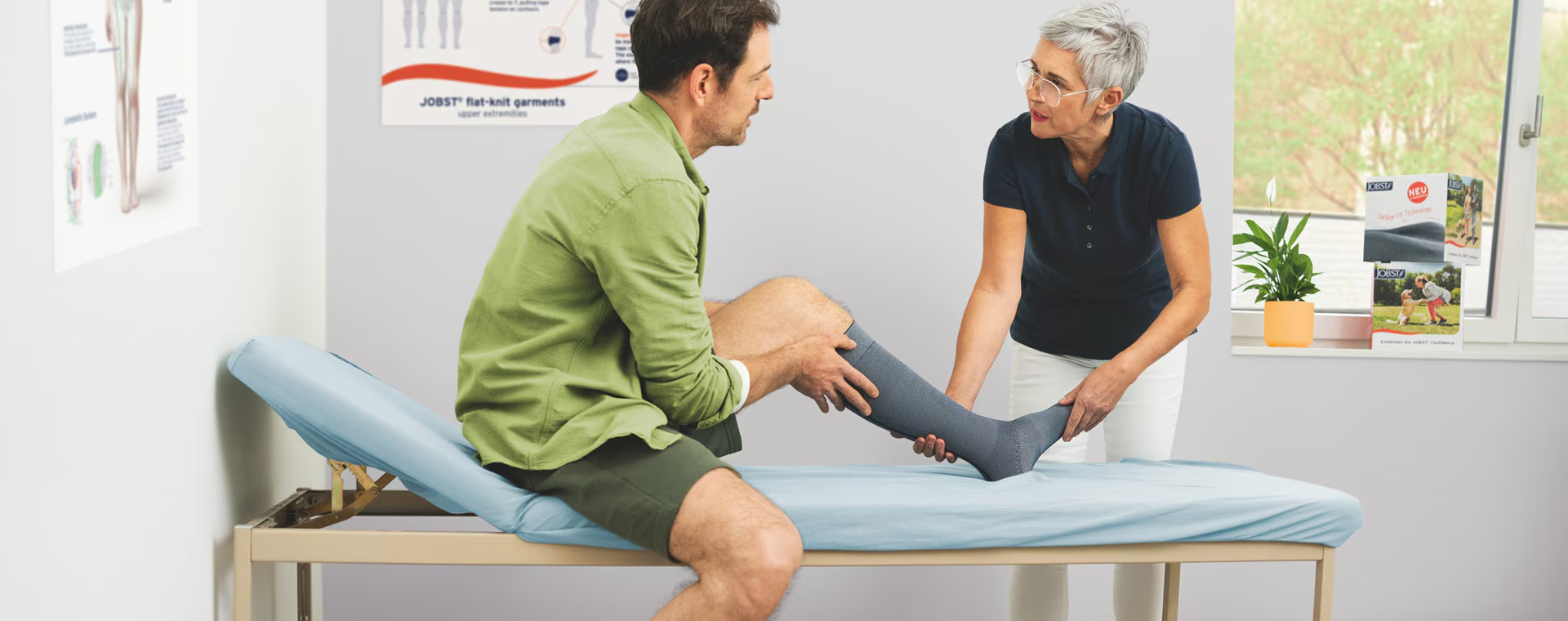
Lymphoedema requires a structured and consistent approach to maintain control over symptoms and prevent progression. Lymphoedema management involves a combination of daily care practices, therapeutic techniques, and long-term monitoring. A step-by-step method helps individuals follow a clear and organised routine. This approach supports both physical comfort and overall wellbeing.
Establishing a Daily Care Routine
A consistent daily routine forms the foundation of effective lymphoedema management. It ensures that care practices become habitual and sustainable over time.
- Encourages regular monitoring of swelling and skin condition
- Helps maintain cleanliness and reduce infection risks
- Supports gradual improvement in tissue health
- Builds confidence in self-care practices
Step 1: Skin Care and Hygiene
Proper skin care is essential to protect against infections and maintain tissue integrity. Clean and healthy skin reduces complications associated with lymphoedema.
- Gently cleanse and dry the affected area daily
- Use suitable moisturisers to prevent dryness and cracking
- Inspect the skin for cuts, redness, or irritation
- Avoid harsh products that may damage sensitive skin
Step 2: Controlled Movement and Exercise
Movement supports the natural flow of lymph fluid through the body. Simple, controlled exercises can significantly improve circulation.
- Perform gentle, repetitive movements targeting affected areas
- Maintain proper posture during physical activity
- Avoid overexertion that may increase swelling
- Incorporate movement into daily routines consistently
Applying Compression Techniques
Compression plays a key role in managing fluid build-up. It provides external support to help guide lymph flow effectively.
- Assists in preventing fluid accumulation in tissues
- Helps maintain limb shape and reduce heaviness
- Supports long-term swelling control
- Requires proper fitting and correct application
Step 3: Using Compression Garments
Compression garments are commonly used to support lymphatic flow. Their effectiveness depends on correct usage and consistency.
- Wear garments as recommended throughout the day
- Ensure proper fit to avoid discomfort or restriction
- Replace garments when they lose elasticity
- Follow guidance for safe application and removal
Monitoring Changes Over Time
Ongoing observation is critical in identifying changes early. Monitoring helps adjust management strategies when needed.
- Track variations in swelling and limb size
- Observe changes in skin texture or sensitivity
- Note any discomfort or reduced mobility
- Report significant changes for further evaluation
Step 4: Recording Progress
Keeping a simple record can help identify patterns and improvements. This step supports more informed decision-making.
- Maintain a log of symptoms and daily care activities
- Record any triggers that increase swelling
- Track effectiveness of different management techniques
- Use records to guide adjustments in routine
Supporting Long-Term Consistency
Consistency is one of the most important aspects of lymphoedema management. Regular care helps maintain stable results and prevents setbacks.
- Reinforces positive habits over time
- Reduces the likelihood of sudden swelling increases
- Supports gradual improvement in comfort and mobility
- Encourages long-term adherence to care routines
Step 5: Maintaining Routine Over Time
Sustaining a routine ensures that management remains effective in the long term. Small, consistent actions lead to better outcomes.
- Integrate care practices into everyday activities
- Adjust routines as lifestyle or condition changes
- Stay informed about updated management techniques
- Remain consistent even when symptoms improve
Conclusion
A structured, step-by-step approach provides clarity and direction in managing lymphoedema effectively. By combining daily care, compression, and ongoing monitoring, individuals can maintain better control over their condition. lymphoedema management becomes more manageable when broken down into clear and consistent steps. This method supports long-term stability and improved quality of life.