
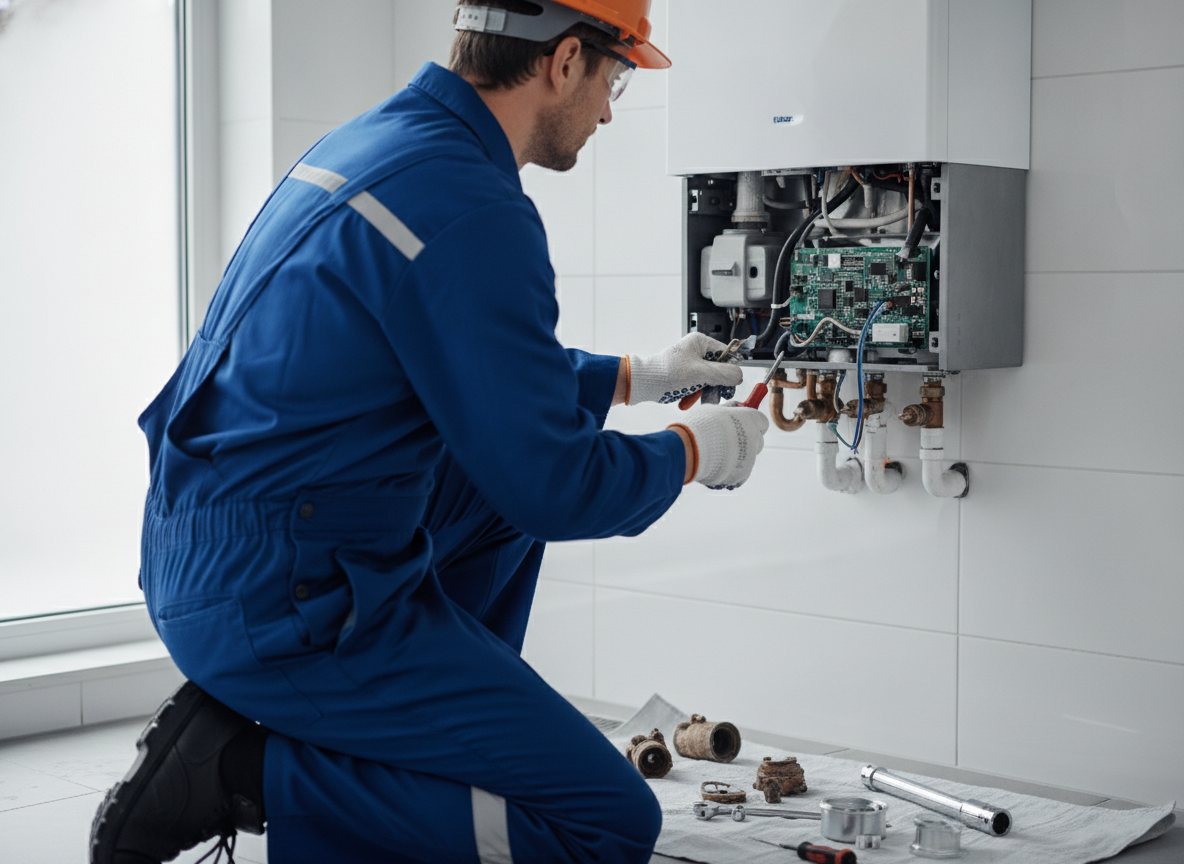
Heating systems don’t last forever, and over time, even a reliable gas boiler can start to lose efficiency, become costly to run, or require frequent repairs. This is why many homeowners eventually consider whether it’s the right time to replace gas boiler systems with a more modern and efficient alternative.
Upgrading your heating system is not just about fixing a problem—it can also be an opportunity to improve comfort, reduce energy use, and prepare your home for future energy standards.
Signs It May Be Time for a Replacement
Most boilers show clear warning signs before they fail completely. Recognising these early can help you avoid unexpected breakdowns during colder months.
Common indicators include:
- Increasing energy bills without higher usage
- Uneven or inconsistent heating
- Frequent breakdowns or repair costs
- Strange noises from the boiler
- Slow response in heating water or rooms
- The system being over 10–15 years old
If these issues appear regularly, it may be time to consider whether to replace gas boiler systems instead of continuing repairs.
Why Homeowners Choose to Upgrade
Modern heating technology has advanced significantly, offering more efficient and flexible options compared to older gas boilers.
Some key reasons for replacement include:
- Improved energy efficiency
- Better temperature control
- Lower long-term maintenance needs
- Compatibility with renewable systems
- Reduced environmental impact
- More reliable performance
These benefits make upgrading a practical long-term decision rather than just a short-term fix.
What Can You Replace a Gas Boiler With?
When planning to upgrade, homeowners often explore several alternatives depending on their property type and heating needs.
Common options include:
- Heat pump systems
- Hydronic heating systems
- Electric heating solutions
- Hybrid heating systems
- Underfloor heating setups
Each option offers different levels of efficiency, installation requirements, and running costs.
Important Factors Before Replacing a Boiler
Before you decide to replace gas boiler, it’s important to evaluate your home’s requirements carefully.
Key considerations include:
- Size and layout of the home
- Existing radiator or pipework compatibility
- Insulation quality
- Energy usage habits
- Installation space and requirements
- Long-term running costs
A proper assessment helps ensure the new system performs efficiently.
Is Replacement a Complicated Process?
Replacing a gas boiler can vary in complexity depending on the new system chosen. In some cases, it may be a direct swap, while in others—such as switching to heat pumps or hydronic systems—additional upgrades may be required.
Proper planning and system design are essential for a smooth transition.
Final Thoughts
Choosing to replace gas boiler systems is an important step toward improving home comfort and efficiency. While the right timing depends on the condition of your current system, upgrading can offer long-term benefits such as better performance, lower energy use, and improved reliability. For many homeowners, it is not just a replacement—it is an investment in a more modern and efficient way of heating the home.




