
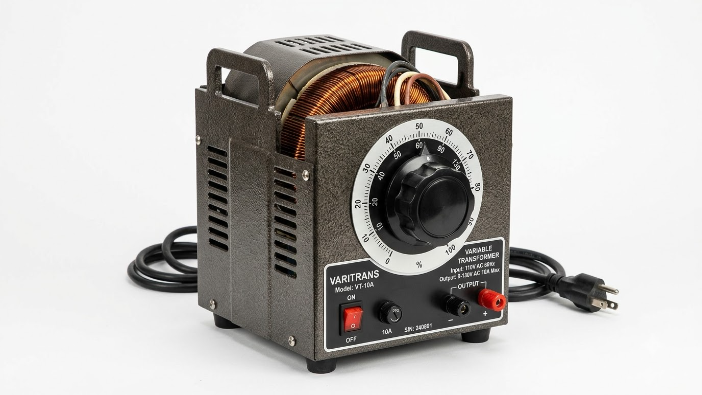
Industrial buyers sourcing voltage regulation equipment from overseas often face one recurring challenge: finding a supplier who understands both the technical requirements of the product and the practicalities of international shipment. A dependable variac transformer exporter bridges this gap, offering equipment that performs reliably across different power grids, climates, and regulatory environments. For businesses in testing labs, manufacturing units, or power distribution companies, this choice directly affects operational uptime and long-term equipment costs.
What Is a Variac Transformer, and Why Does Sourcing Matter?
A variac transformer, technically known as a variable autotransformer, allows users to adjust output voltage smoothly within a defined range. It is widely used in laboratories, electronics manufacturing, and industries that require controlled voltage testing.
Because these units are often exported to countries with different voltage standards (110V, 220V, or 240V systems), sourcing decisions carry real weight. A poorly matched transformer can lead to inconsistent performance, safety risks, or costly replacements soon after installation.
Key Factors to Evaluate Before Importing
Buyers evaluating suppliers should look beyond price alone. A few factors consistently separate a reliable sourcing decision from a risky one:
- Voltage compatibility — Confirm the transformer’s input and output range matches the destination country’s electrical standards.
- Build quality and insulation class — Look for windings and core materials suited to continuous industrial use, not just laboratory-grade intermittent use.
- Certification and compliance — Check for relevant international quality and safety certifications applicable to the importing country.
- Packaging for transit — Transformers are sensitive to shock and moisture; export-grade packaging reduces damage during long shipping routes.
- After-sales support — Availability of technical documentation, spare parts, and responsive communication matters once the unit is installed.
Common Applications Across Industries
Variac transformers serve a wide range of practical purposes, which is part of why demand for reliable export sourcing has grown steadily. Typical use cases include:
- Voltage testing and calibration in electronics manufacturing units
- Speed control for motors and small industrial equipment
- Simulating varying grid conditions for product testing
- Powering lighting and heating equipment that require gradual voltage ramp-up
- Laboratory research requiring precise, adjustable power supply
Each of these applications places different demands on the transformer’s build, which is why technical specification sheets should be reviewed carefully before placing an order.
Load Type, Shipping, and Upkeep Considerations
The choice between a single-phase and three-phase variac transformer usually comes down to the load it needs to support. Single-phase units are generally sufficient for smaller lab and testing setups, whereas three-phase variants are better suited to industrial machinery and higher power applications where load demands are greater.
Shipping is another practical consideration, particularly for heavier units. Bulk orders are typically moved via sea freight, while smaller or time-sensitive shipments go by air. In either case, export documentation such as commercial invoices and compliance certificates needs to accompany the consignment to avoid customs delays.
Once installed, these transformers require fairly routine upkeep to stay reliable over time. This includes checking carbon brush contact points, ensuring adequate ventilation during operation, and carrying out periodic insulation resistance testing to catch early signs of wear before they turn into bigger issues.
Building a Long-Term Sourcing Relationship
One-time purchases can solve an immediate need, but businesses that source voltage regulation equipment regularly benefit more from an ongoing supplier relationship. Consistent quality across repeat orders, predictable lead times, and a supplier who understands the buyer’s specific industry application all reduce friction over time.
For companies scaling operations across multiple regions, working with an established variac transformer exporter also simplifies compliance, since experienced exporters are typically familiar with documentation requirements across different destination markets.
Final Thoughts
Sourcing decisions for industrial electrical equipment are rarely just about the product specification sheet. They involve trust, consistency, and a clear understanding of how the equipment will perform once it reaches its destination. Buyers who take the time to evaluate certification, build quality, and support infrastructure rather than focusing on price alone tend to see fewer disruptions down the line and a smoother experience overall when working with an export partner for their voltage regulation needs.




