
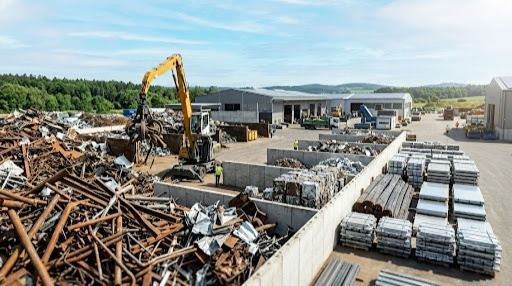
Metal waste is generated by many industries, including construction, manufacturing, automotive repair and demolition. Instead of sending unwanted metal items to landfill, recycling allows valuable materials to be recovered and used again. This process helps reduce waste while supporting more responsible resource management.
Scrap Metal Recyclers play an important role in collecting, sorting and processing unwanted metal so it can be returned to the manufacturing supply chain. Understanding how metal recycling works can help households and businesses make better decisions about disposing of their scrap materials.
What Is Scrap Metal Recycling?
Scrap metal recycling involves recovering metal from unwanted products, machinery, building materials and industrial waste. The materials are collected and separated according to their type before being processed for reuse.
Common recyclable metals include aluminium, copper, brass, steel and iron. These materials can come from old appliances, electrical wiring, vehicle components, pipes, roofing sheets and construction offcuts.
The recycling process depends on the type, condition and composition of the material. Correct sorting helps improve the quality of recovered metal and makes further processing more efficient.
Why Is Metal Recycling Important?
Metal recycling helps reduce the amount of waste sent to landfill and allows useful materials to remain in circulation. Many metals can be recycled repeatedly without losing their essential properties, making recovery an important part of resource conservation.
Producing metal from recycled materials can also require less energy than extracting and processing new raw materials, although the savings vary depending on the metal and recycling process.
For businesses that regularly generate metal waste, recycling can provide a more organised approach to waste management while supporting environmental objectives.
Types of Scrap Metal That Can Be Recycled
Different metals have different characteristics and recycling values. Identifying the material correctly can help ensure it is handled and processed appropriately.
Ferrous Metals
Ferrous metals contain iron and are commonly found in steel beams, machinery, metal furniture, vehicle parts and construction materials. Many ferrous metals can be identified using a magnet, although this method does not work for every metal or alloy.
Non-Ferrous Metals
Non-ferrous metals include aluminium, copper, brass and certain stainless steel grades. These materials are often used in electrical systems, plumbing, building components and manufacturing equipment.
Copper wiring, aluminium frames and brass fittings are examples of items that may be suitable for recycling. Their acceptance depends on the material condition and the recycling facility’s requirements.
How the Scrap Metal Recycling Process Works
The recycling process usually begins with the collection of unwanted metal from homes, businesses, construction sites or industrial facilities.
Once collected, the materials are sorted according to metal type and quality. Contaminants and unsuitable components may need to be removed before processing.
The metal can then be cut, crushed, shredded or prepared for further treatment. Depending on the material, it may be melted and refined before being supplied to manufacturers for use in new products.
Proper separation is important because mixed materials and contamination can affect processing efficiency and the quality of the recovered metal.
Benefits for Businesses and Industries
Businesses in construction, manufacturing and automotive services may generate considerable quantities of metal waste. Establishing a suitable recycling process can help keep work areas organised and make material disposal more manageable.
Separating metal from general waste can also make it easier to track recyclable materials and identify opportunities to reduce waste. Depending on the material and market conditions, some scrap metal may have resale value.
Working with an appropriate recycling facility can help businesses understand accepted materials, collection arrangements and handling requirements.
Preparing Scrap Metal for Recycling
Before sending metal for recycling, businesses should separate different materials where practical and remove non-metal components when it is safe to do so. Items containing oils, chemicals, batteries or other hazardous substances may require special handling.
Electrical equipment and sealed containers should not be dismantled or opened without suitable training and precautions. Businesses should also confirm whether the facility accepts the particular items they intend to supply.
Keeping scrap materials in a designated area can improve workplace organisation and reduce the risk of metal waste becoming mixed with general rubbish.
Conclusion
Metal recycling helps recover valuable resources, reduce landfill waste and support more efficient material use. Scrap Metal Recyclers help connect discarded metal with facilities that can process it for future manufacturing. By identifying recyclable materials, separating waste correctly and following safe handling practices, households and businesses can contribute to a more sustainable approach to metal waste management.




