
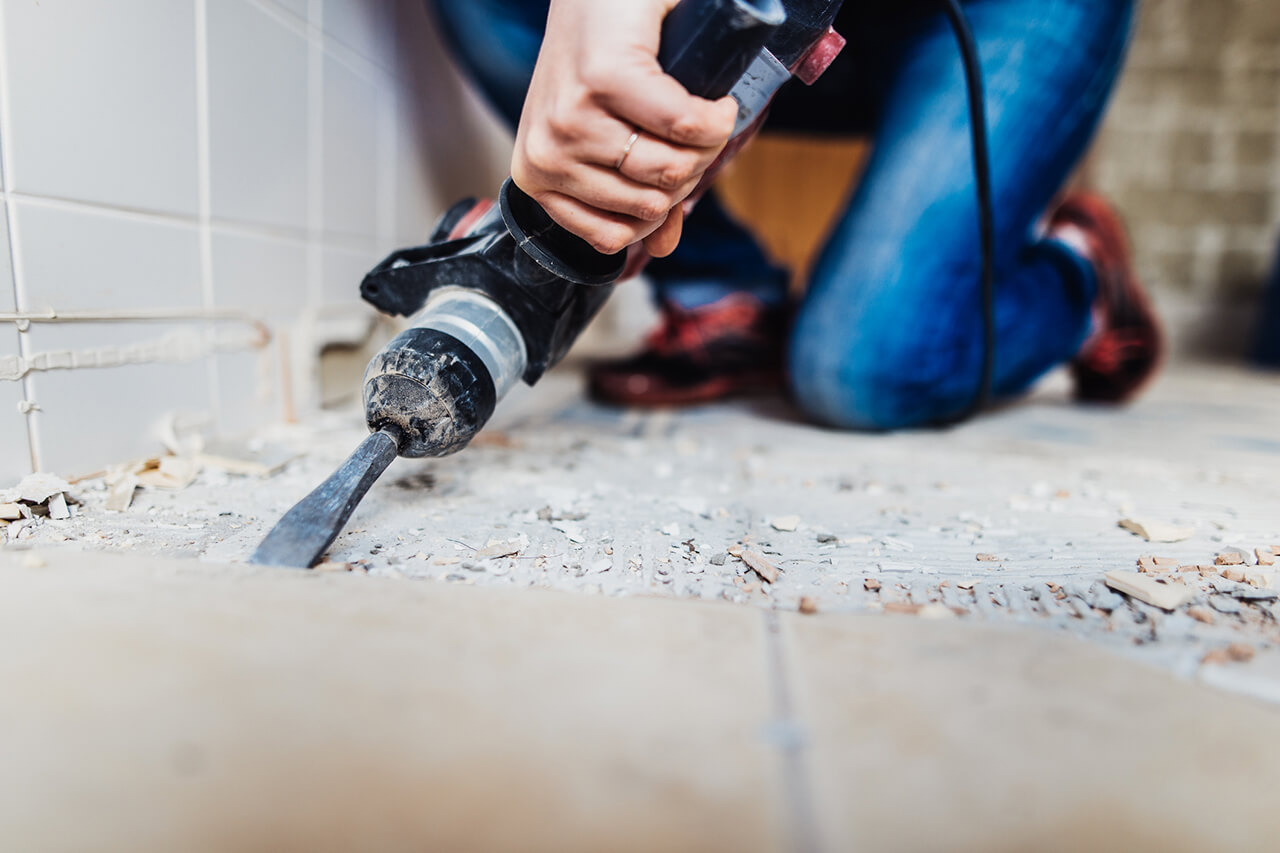
Removing the Tile floor can add beauty and durability to your home, but there comes a time when it needs to be replaced or updated. Knowing when to remove tile flooring is crucial to maintaining your space’s aesthetics, functionality, and safety. In this article, we’ll explore key indicators and unique points to help you determine the right time for this renovation endeavour.
1. Wear and Tear Beyond Repair
One of the most obvious signs it’s time to remove tile flooring is when it’s beyond repair. Cracked, chipped, or missing tiles not only diminish the visual appeal of your space but also pose tripping hazards. If attempts to repair or replace individual tiles become frequent, it may be more cost-effective to remove the entire floor.
2. Outdated Style and Aesthetic
Tile trends change over time, and what was fashionable a decade ago might look dated today. If your tile flooring feels like a relic from a bygone era, it might be time for a style upgrade. Removing old tiles can pave the way for a fresh, modern look that better suits your current design preferences.
3. Grout and Maintenance Challenges
Grout lines between tiles can become magnets for dirt, mould, and stains. Suppose your grout is permanently discoloured or deteriorating despite cleaning efforts. In that case, it might be more practical to remove the old tiles and replace them with a more manageable grout-free solution.
4. Water Damage and Mold Issues
Water can seep through cracked or damaged tiles, leading to water damage and mold growth beneath the surface. If you notice soft or discolored areas on your tile floor, it’s a sign that moisture has penetrated. In such cases, prompt removal is necessary to address the underlying issues and prevent further damage.
5. Foundation or Subfloor Concerns
A sagging or uneven tile floor can indicate problems with the underlying subfloor or foundation. These issues can compromise the structural integrity of your home and need immediate attention. Removing the tile allows for a thorough inspection and necessary repairs.
6. Desire for a Different Flooring Material
Sometimes, homeowners decide to switch from tile to a different flooring material like hardwood, laminate, or vinyl. If you’ve been longing for a flooring change that better suits your lifestyle or design preferences, removing the existing tile is the first step in this transformation.
7. Preparing for a Major Renovation
If you’re planning a major home renovation project that involves changes to your flooring or layout, it makes sense to remove the existing tile as part of the preparation process. This ensures a clean slate for your upcoming renovation and allows for easier integration of new materials.
8. Allergies and Health Concerns
Tile flooring, especially if not well-maintained, can trap allergens, dust, and pet dander. If you or your family members suffer from allergies or respiratory issues, replacing tile with a hypoallergenic flooring option may significantly improve indoor air quality.
9. Increasing Your Property’s Value
If you’re preparing to sell your home, removing worn or outdated tile flooring can boost its market appeal and value. Potential buyers often prefer homes with fresh, modern flooring options that require less immediate investment.
10. A Fresh Start and Renewed Aesthetics
Sometimes, the decision to remove tile flooring is driven by a desire for a fresh start. It’s an opportunity to redefine your space, enhance its aesthetics, and create an environment that better aligns with your current lifestyle and preferences.




