
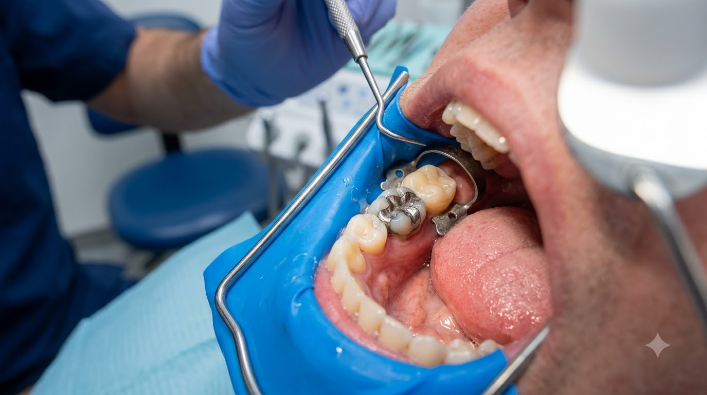
Tooth decay is one of the most common preventable health conditions in Australia, yet it remains consistently undertreated — largely because the early stages rarely cause pain, and many people delay seeking care until discomfort forces the issue. By the time a cavity becomes genuinely painful, it has typically progressed further than it needed to, making treatment more involved than an early intervention would have required. For residents across western Sydney, timely dental fillings in Merrylands offer a straightforward, effective solution that stops decay in its tracks and restores a tooth to full function before more significant problems have a chance to develop.
What a Dental Filling Actually Does
A dental filling restores the structure and function of a tooth that has been damaged by decay. The decayed portion of the tooth is removed, the cavity is cleaned and prepared, and the filling material is placed to seal the space and recreate the natural contour of the tooth surface. The result is a tooth that functions normally, is protected from further bacterial penetration, and in the case of tooth-coloured materials, is visually indistinguishable from the surrounding enamel.
Fillings are one of the most routine and well-established procedures in dentistry, and when completed with quality materials and careful technique, they provide durable, long-lasting restoration that serves patients reliably for many years.
Types of Filling Materials Available
The choice of filling material depends on the location of the cavity, the size of the restoration required, aesthetic preferences, and clinical suitability. The most commonly used options in contemporary dental practice include:
- Composite resin fillings that match the natural shade of the tooth and bond directly to the tooth structure, making them the preferred choice for visible front and back teeth where aesthetics matter.
- Glass ionomer cement a tooth-coloured material that releases fluoride over time, particularly suitable for children’s teeth, root surface cavities, and areas where moisture control during placement is more challenging.
- Ceramic and porcelain restorations used for larger cavities where a laboratory-fabricated inlay or onlay provides superior strength and aesthetics compared to a directly placed filling material.
- Amalgam fillings a durable silver-coloured material that remains in use in some clinical situations, particularly for large restorations in back teeth where strength is the primary consideration.
Recognising When a Filling May Be Needed
Tooth Sensitivity
Sensitivity to sweet foods, cold drinks, or temperature changes that lingers beyond a few seconds can indicate that decay has reached a depth where the tooth’s nerve is being affected. Early filling prevents the progression that leads to more complex treatment.
Visible Discolouration or Spots
Dark spots, white chalky patches, or visible pitting on the tooth surface are early visual indicators of enamel breakdown and decay that benefit from prompt clinical assessment.
Food Trapping Between Teeth
A sensation of food consistently becoming trapped in the same location between teeth can indicate the presence of a cavity in a contact area that X-ray imaging will typically confirm.
A Rough or Chipped Tooth Surface
A surface that feels rough or uneven to the tongue, or a small chip in a tooth edge, may indicate existing decay or structural compromise that warrants examination before it worsens.
What to Expect During the Appointment
A dental filling appointment in Merrylands follows a straightforward clinical sequence. The tooth is numbed with local anaesthesia, ensuring the procedure is comfortable from start to finish. The decayed tissue is removed using a dental handpiece, and the cavity is cleaned and prepared according to the filling material being used.
For composite resin fillings, the material is placed in layers and cured with a light source at each stage to achieve maximum strength and density. The restoration is then shaped and polished to match the bite and contour of the natural tooth surface before the patient leaves the chair.
Most single-tooth filling appointments take between 30 and 60 minutes depending on the size and location of the cavity, and patients can eat normally once any anaesthesia has worn off.
Why Merrylands Is a Practical Choice for Dental Care
Merrylands offers residents across the Cumberland LGA and surrounding suburbs a well-connected and accessible location for routine and restorative dental care. With direct train access, proximity to Parramatta, Granville, Guildford, and Woodville, and a growing number of quality dental practices in the area, attending regular appointments and addressing dental concerns promptly is genuinely straightforward for most local residents.
Final Thoughts
A small cavity treated promptly is one of the simplest and most cost-effective interventions in all of healthcare. Leaving it untreated is almost never the better option. Quality dental fillings in Merrylands restore teeth effectively, protect against further decay, and preserve the natural tooth structure that every patient benefits from keeping for as long as possible. Book the appointment, get the assessment, and deal with small problems while they are still small.