
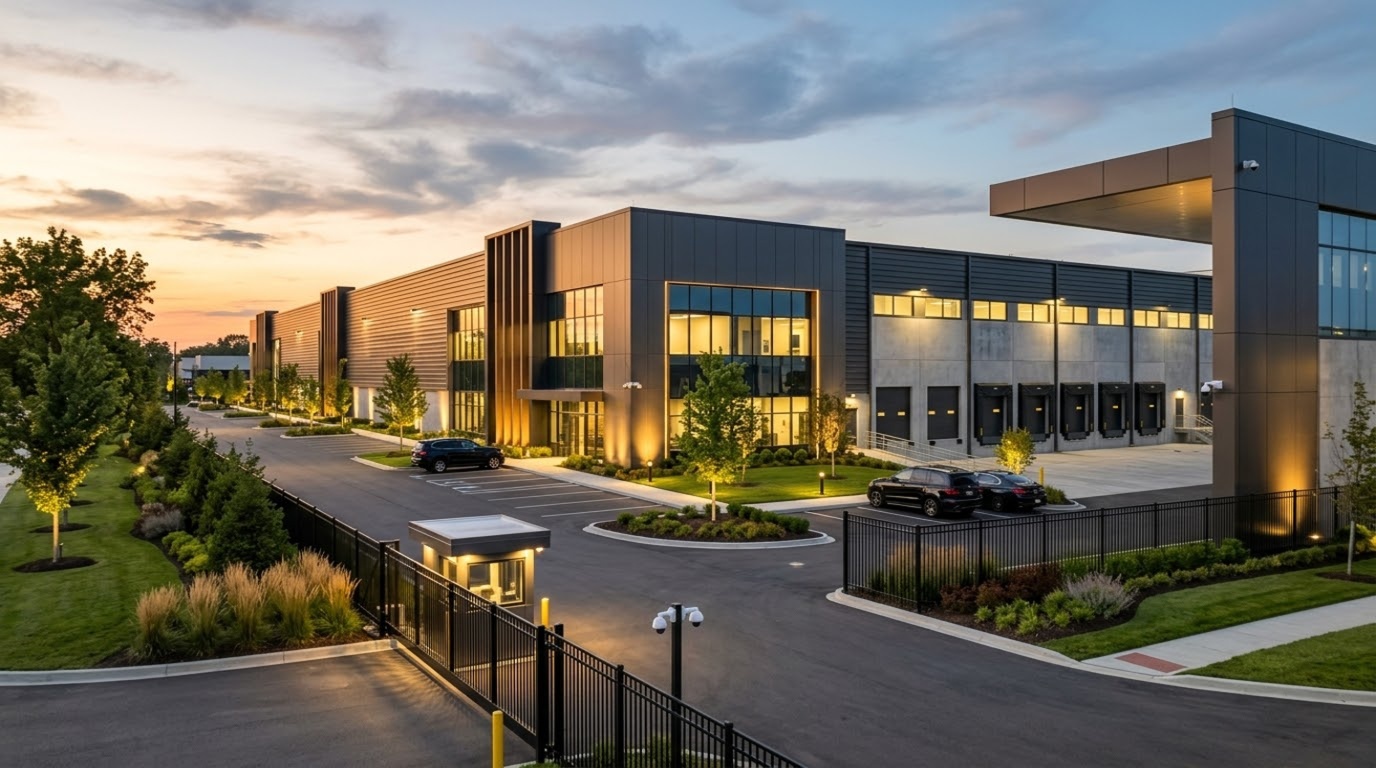
Managing a warehouse property involves much more than maintaining a building. Owners and businesses need to consider tenants, maintenance, safety, inspections, operating costs, leases, and the overall condition of the property. A structured approach can help keep the premises functional while supporting efficient day-to-day operations.
What Does Warehouse Property Management Involve?
Warehouse property management covers the ongoing administration and maintenance of warehouse facilities. It can include coordinating repairs, monitoring building conditions, communicating with tenants, managing contractors, and keeping important property records organised.
Depending on the property, responsibilities may also include inspections, maintenance scheduling, rent administration, lease coordination, compliance requirements, and planning for future improvements.
Why Is Warehouse Management Important?
Warehouses often have large floor areas, loading zones, storage spaces, offices, parking areas, and specialised equipment. Keeping these areas properly maintained can help reduce operational disruptions and protect the value of the property.
Effective management can support:
- Regular property inspections
- Timely maintenance and repairs
- Better tenant communication
- Organised lease administration
- Improved cost tracking
- Preventive maintenance planning
- Proper documentation
- Efficient contractor coordination
The specific responsibilities depend on the property’s size, use, ownership structure, and tenant arrangements.
What Maintenance Should Be Prioritised?
Preventive maintenance is an important part of managing a warehouse. Instead of waiting for problems to become serious, property managers can schedule regular inspections of important building components.
Areas that may require attention include roofing, gutters, drainage systems, electrical installations, lighting, doors, loading areas, flooring, plumbing, ventilation, and external surfaces.
Identifying minor issues early can help property owners plan repairs before they become larger maintenance concerns.
How Does Tenant Communication Matter?
Clear communication between property managers and warehouse tenants can make everyday operations more organised. Tenants may report maintenance issues, request repairs, raise access concerns, or provide information about changes to their operations.
A responsive communication process allows issues to be recorded and directed to the appropriate contractor or service provider. Keeping written records of requests, inspections, repairs, and completed work can also make future property management easier.
How Can Lease Administration Be Managed?
Warehouse leases can contain important information about rent, maintenance responsibilities, insurance, property use, repairs, renewal dates, and other conditions. Keeping lease information organised helps property managers monitor important deadlines and responsibilities.
Regularly reviewing lease documentation can also help clarify which maintenance or repair costs are the responsibility of the owner and which may fall under the tenant’s obligations.
What Role Does Property Inspection Play?
Regular inspections provide an opportunity to assess the condition of the warehouse and identify potential maintenance issues. Inspections can cover both internal and external areas, including structural elements, access points, storage areas, loading zones, and surrounding grounds.
Documenting inspection findings with dates, photographs, and maintenance notes can create a useful record of the property’s condition over time.
How Can Costs Be Controlled?
Good financial planning can help warehouse owners manage ongoing property expenses. Maintenance budgets should account for routine servicing as well as unexpected repairs.
Comparing contractor quotations, scheduling preventive maintenance, monitoring recurring expenses, and keeping accurate records can provide better visibility into property costs. Long-term planning can also help owners prepare for major upgrades and replacement projects.
How Can Warehouse Property Management Add Value?
Professional Warehouse Property Management can bring together maintenance, tenant communication, lease administration, inspections, and financial coordination. A structured approach helps ensure that important property responsibilities are not overlooked.
The goal is not simply to respond to problems but to maintain the property proactively and support its long-term functionality.
Conclusion
Managing a warehouse requires consistent attention to maintenance, tenants, leases, inspections, finances, and building performance. By organising these responsibilities and planning maintenance proactively, property owners can support smoother operations and maintain the condition of their investment. Effective Warehouse Property Management provides a structured way to coordinate these essential tasks and address property needs efficiently.




