
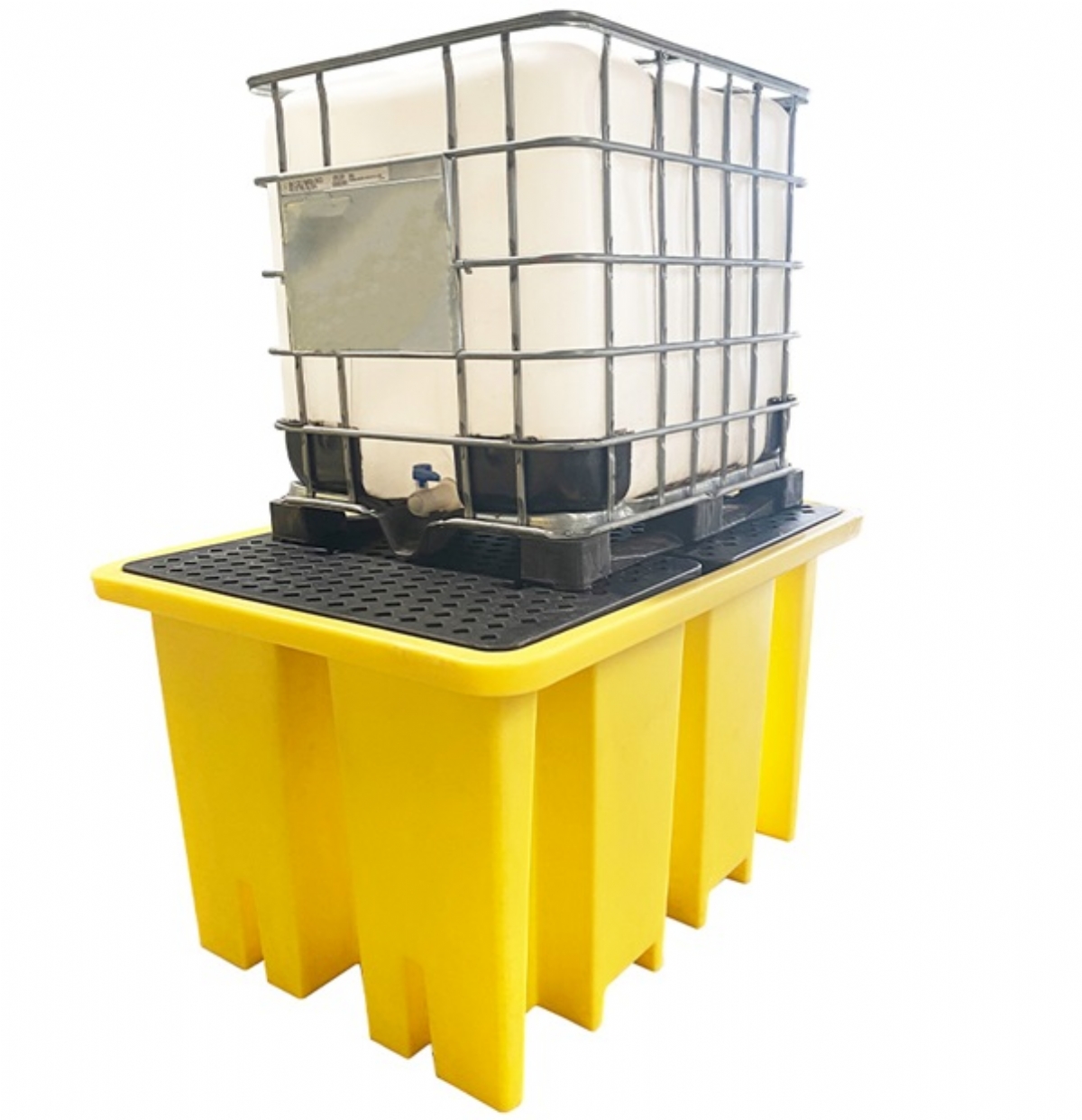
In industries that handle large quantities of liquids, chemicals, or hazardous materials, proper storage and transport are crucial to ensure safety, efficiency, and regulatory compliance. One of the most important components for managing these bulk liquids is the IBC pallet. IBC pallets are specifically designed to provide a stable base for IBCs, making them essential in warehouses, factories, and distribution centers. In this blog, we’ll explore what IBC pallets are, their benefits, and why they’re indispensable in liquid storage and transportation.
What is an IBC Pallet?
An IBC pallet is a heavy-duty base used to support and stabilise an Intermediate Bulk Container (IBC). IBCs are large containers typically used for storing and transporting bulk liquids like chemicals, oils, water, food ingredients, and more. These containers are typically made from plastic, steel, or composite materials and are designed for high-volume use.
The IBC pallet serves as the foundation for these containers, ensuring that they remain secure and stable during transport, handling, and storage. These pallets are specially designed to fit IBC containers and are often made from durable materials like plastic, wood, or metal, depending on the needs of the industry.
Why Are IBC Pallets Important?
1. Stability During Transport and Storage
IBC pallets are designed to offer stability and support to the IBC, preventing it from tipping over or shifting during transport. Without a proper pallet, an IBC could become unstable, leading to spills or accidents. A well-constructed IBC pallet ensures the container is securely positioned, reducing the risk of leaks, damage, or contamination.
2. Ease of Handling
IBC pallets make it easier to handle large, heavy containers. These pallets are designed to be compatible with forklift equipment and pallet jacks, allowing workers to quickly and safely move IBCs around the warehouse or facility. This makes material handling more efficient and reduces the physical strain on workers, especially in environments with frequent handling of bulk containers.
3. Enhanced Safety
Using the correct IBC pallet reduces the risk of accidents and injuries caused by mishandling or unstable containers. Properly placed IBCs on sturdy pallets are less likely to tip over, leak, or break, ensuring the safety of employees working with hazardous materials. In the case of hazardous or chemical liquids, a stable pallet helps to contain any potential leaks and prevents spills from spreading.
4. Compliance with Industry Regulations
In industries that deal with chemicals, food products, or pharmaceuticals, regulatory compliance is essential. The proper storage and transport of bulk liquids are governed by regulations set by organisations such as the Occupational Safety and Health Administration (OSHA) and the Environmental Protection Agency (EPA). Using IBC pallets that meet these standards helps businesses remain compliant with safety and environmental regulations, reducing the risk of fines or penalties.
5. Protection of the IBC Container
IBCs can be vulnerable to damage if not properly supported. Over time, containers that are not securely placed can become cracked or compromised, leading to leaks or spills. IBC pallets are designed to provide added protection for the container, ensuring that it remains intact and its contents stay secure.
Types of IBC Pallets
IBC pallets come in various types, each tailored for different industries or container designs. Here are the most common types of IBC pallets:
1. Plastic IBC Pallets
Plastic IBC pallets are a popular choice due to their durability, lightweight design, and resistance to corrosion. They are particularly useful for industries handling chemicals, food-grade liquids, and pharmaceutical products, where cleanliness and hygiene are important. These pallets are easy to clean and maintain and can often be reused multiple times.
Advantages:
- Resistant to chemicals and corrosion.
- Lightweight and easy to handle.
- Easy to clean and sanitise.
2. Wooden IBC Pallets
Wooden IBC pallets are the traditional option and are commonly used in various industries, especially for heavy-duty applications. They are known for their strength and ability to support large, heavy containers. While wooden pallets may not be as resistant to moisture or chemicals as plastic options, they remain a cost-effective solution for many businesses.
Advantages:
- Strong and durable.
- Cost-effective.
- Suitable for heavy loads.
3. Metal IBC Pallets
Metal IBC pallets, typically made from steel, offer excellent strength and durability. These pallets are ideal for industries dealing with hazardous chemicals or materials that require a high level of protection. They are resistant to moisture, chemicals, and extreme temperatures, making them suitable for harsh environments.
Advantages:
- Highly durable and long-lasting.
- Resistant to extreme conditions.
- Ideal for heavy or hazardous materials.
4. Collapsible IBC Pallets
Collapsible IBC pallets are a space-saving solution that allows pallets to be collapsed when not in use, freeing up storage space. These pallets are typically made from plastic or metal and can be easily expanded or collapsed depending on the storage needs. They are ideal for businesses that need to maximise space when not handling bulk containers.
Advantages:
- Space-saving design.
- Easy to store and transport when collapsed.
- Ideal for businesses with fluctuating storage needs.
Choosing the Right IBC Pallet
When selecting an IBC pallet, several factors should be considered to ensure you choose the best option for your needs:
1. Load Capacity
Each type of IBC pallet is designed to support specific weight limits. Be sure to choose a pallet that can handle the weight of your IBC container and its contents. For heavy-duty containers, metal pallets may be the best option, while plastic pallets can handle lighter loads.
2. Material Compatibility
Consider the type of liquids or materials being stored in the IBC. If you’re dealing with corrosive chemicals or hazardous substances, a durable material like metal or plastic is preferable for enhanced protection.
3. Environmental Conditions
If your IBCs are going to be used in extreme conditions (e.g., high heat, moisture, or exposure to chemicals), select a pallet that can withstand those conditions. For example, metal pallets may be better suited for harsh environments, while plastic pallets can provide more flexibility in moderate conditions.
4. Size and Design
Ensure the pallet is compatible with the size and shape of your IBC. Most IBC pallets are designed to fit standard IBC sizes, but it’s always a good idea to verify measurements before making a purchase.
Conclusion
IBC pallets are an essential part of bulk liquid storage and transportation. They provide the stability, safety, and regulatory compliance needed for handling large containers of chemicals, food products, and other liquids. By selecting the appropriate IBC pallet for your needs, you can improve efficiency, reduce the risk of accidents, and protect both your products and employees. Whether you’re dealing with hazardous chemicals, bulk food ingredients, or pharmaceutical materials, investing in a high-quality IBC pallet is an important step in maintaining a safe and efficient operation.




