
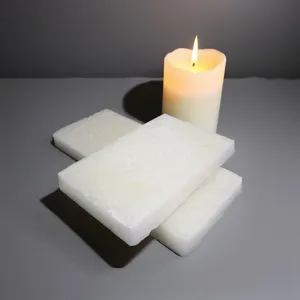
Wax is used across many industries for manufacturing, crafting, packaging, and household products. Paraffin wax is one of the most widely used types because of its versatility, consistent texture, and relatively low melting point. It can be found in products ranging from candles and coatings to industrial applications. Understanding its properties and common uses can help consumers and manufacturers choose the appropriate wax for their needs.
What Is Paraffin Wax?
Paraffin wax is a solid wax made primarily from saturated hydrocarbon molecules. It is generally obtained during the refining of petroleum and is processed to achieve different levels of purity, hardness, and melting point.
It is typically white or translucent and has little natural odour. Depending on its formulation and intended application, it can be produced in different grades and forms.
Key Properties
One of the main characteristics of paraffin wax is its ability to transition from a solid to a liquid when heated and return to a solid when cooled.
Other common properties include:
- Smooth and relatively firm texture
- Low water solubility
- Ability to retain and release heat
- Easy melting and moulding
- Good moisture resistance
- Compatibility with various additives
These characteristics make it useful for both commercial manufacturing and everyday products.
Paraffin Wax for Candle Making
Candle production is one of the best-known uses of paraffin wax. Its predictable melting behaviour allows manufacturers and candle makers to create candles in different shapes and sizes.
It can also hold fragrance and colour additives, making it suitable for decorative and scented candle production. The final characteristics of a candle depend on the wax formulation, wick, additives, container and manufacturing process.
Proper temperature control is important when melting and working with wax.
Industrial Applications
Beyond candles, paraffin wax is used in several industrial applications. Its moisture-resistant characteristics make it useful for certain coatings and protective treatments.
It can be used in some packaging applications, board and paper coatings, polishes, adhesives, and manufacturing processes. Different industries require different wax specifications, so the grade selected should be appropriate for its intended purpose.
Use in Packaging and Coatings
Wax coatings can provide a barrier against moisture and help protect certain materials. This property has made paraffin-based coatings useful in selected packaging and paper-related applications.
The suitability of a particular wax depends on the material being coated, required performance, and applicable regulations. Manufacturers should follow specifications for food-contact or other regulated applications where relevant.
Paraffin Wax in Cosmetics
Certain highly refined grades may be used in cosmetic and personal-care formulations. Wax can contribute texture, consistency and protective properties to products such as creams, balms and other formulations.
However, not every type of paraffin wax is appropriate for cosmetic use. Product grade, purity and regulatory requirements should always be considered before selecting a material for personal-care products.
Different Grades and Melting Points
Not all paraffin wax is the same. Products can vary according to melting point, oil content, hardness, and refinement.
A lower-melting wax may be suitable for applications requiring easier melting, while a higher-melting grade may be selected where greater heat resistance or firmness is required.
Understanding the technical specifications is therefore important when purchasing wax for manufacturing or crafting.
How to Store Wax
Proper storage helps maintain wax quality. Wax should generally be kept in a cool, dry environment away from direct sunlight and excessive heat.
Containers or packaging should remain clean and protected from contaminants. Storing wax in suitable conditions can help prevent unwanted changes in appearance or texture.
Handling and Safety
Although solid wax is generally stable at room temperature, heated wax can cause serious burns. Appropriate precautions should be taken when melting or handling it.
Use suitable heating equipment, avoid overheating and never leave melting wax unattended. Good ventilation may also be appropriate depending on the application and any additional materials being used.
Safety instructions supplied by the manufacturer should always be followed.
Paraffin Wax vs Other Waxes
There are many alternatives to paraffin wax, including soy, beeswax, palm and other plant-based or natural waxes. Each type has different characteristics relating to melting point, texture, appearance, fragrance retention and intended use.
The best choice depends on the application rather than one wax being universally better than another.
For example, candle makers may compare waxes based on burn characteristics and fragrance performance, while industrial users may prioritise hardness, moisture resistance or melting behaviour.
Choosing the Right Product
When selecting paraffin wax, consider the intended application and technical requirements. Important factors can include melting point, purity, hardness, oil content, colour and packaging format.
For commercial or regulated applications, product documentation and compliance information may also be important.
Buying a grade designed specifically for the intended use can help achieve more consistent results.
Final Thoughts
Paraffin wax remains a versatile material with applications in candle making, coatings, packaging, manufacturing and selected cosmetic formulations. Its consistent melting behaviour, moisture resistance and ability to be modified with additives make it useful across many different industries.
Before purchasing, consider the required grade, melting point and application requirements. Proper storage and careful handling are also essential, particularly when the wax is heated.




