Stainless steel grating plays a vital role in modern construction, industrial safety, and architectural design. From walkways and drainage covers to platforms and stair treads, it provides strength, durability, and reliable performance in demanding environments. Choosing the right stainless steel grating suppliers is just as important as selecting the product itself.
This guide will help you understand what stainless steel grating is, how to evaluate suppliers, and how to make the best choice for your project.
What Is Stainless Steel Grating
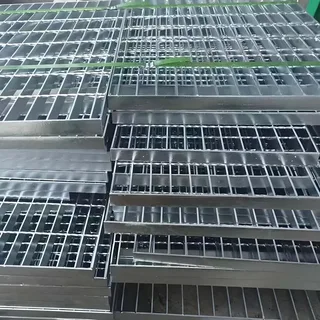
Stainless steel grating is a grid-like structure made by joining metal bars in a pattern that creates a strong, load-bearing surface. It allows light, air, and water to pass through while maintaining structural integrity.
It is widely used in industries where safety, hygiene, and corrosion resistance are essential. Its non-slip properties and high strength make it ideal for both indoor and outdoor applications.
Why Stainless Steel Is Ideal for Grating
Stainless steel is one of the most reliable materials for grating due to its excellent corrosion resistance. It performs well in harsh environments, including coastal areas, chemical plants, and food processing units.
It is also highly durable and capable of handling heavy loads without bending or breaking. Another advantage is its hygienic surface, which is easy to clean and suitable for industries with strict cleanliness standards.
In addition, stainless steel offers a clean and modern appearance, making it a preferred choice for architectural applications.
Types of Stainless Steel Grating
Understanding the different types of grating can help you communicate better with suppliers and choose the right product.
Welded grating is created by welding bearing bars and cross bars together. It is strong, durable, and commonly used in industrial settings.
Press-locked grating is made by mechanically locking bars together. It offers a smooth appearance and is often used in architectural designs.
Swage-locked grating uses a hydraulic process to join bars, providing a clean finish and strong structure.
Perforated grating features holes instead of open grids and is used where specific design or safety requirements exist.
Key Factors to Consider When Choosing Stainless Steel Grating Suppliers
Selecting the right supplier is crucial for ensuring quality, reliability, and long-term performance.
Product quality should be your top priority. Look for suppliers that use high-grade stainless steel such as 304 or 316. Grade 316 is especially suitable for corrosive environments.
Manufacturing standards are also important. Reputable suppliers follow industry standards and provide consistent quality across their products.
Customisation options can be a major advantage. A good supplier should be able to tailor grating sizes, load capacities, and finishes according to your project requirements.
Experience and reputation matter. Suppliers with a strong track record are more likely to deliver reliable products and services.
Delivery and logistics should not be overlooked. Timely delivery ensures that your project stays on schedule.
Customer support is another key factor. Responsive and knowledgeable support can help resolve issues quickly and improve your overall experience.
Common Applications of Stainless Steel Grating
Stainless steel grating is used in a wide range of industries and environments.
In industrial settings, it is used for platforms, walkways, and drainage systems. Its strength and durability make it suitable for heavy-duty use.
In commercial spaces such as malls, airports, and office buildings, it provides both functionality and aesthetic appeal.
In the food and beverage industry, it is used in processing areas due to its hygienic properties.
It is also commonly used in marine environments, wastewater treatment plants, and public infrastructure projects.
Benefits of Working with Reliable Suppliers
Partnering with a trusted stainless steel grating supplier offers several advantages. You get access to high-quality products that meet industry standards and perform well over time.
Reliable suppliers provide expert guidance, helping you choose the right type of grating for your application. They also offer customisation options and technical support.
Working with established suppliers reduces the risk of delays, defects, and additional costs, ensuring a smoother project experience.
How to Evaluate Stainless Steel Grating Suppliers
Start by reviewing the supplier’s portfolio and past projects. This gives you an idea of their capabilities and experience.
Check customer reviews and testimonials to understand their reputation in the market.
Ask for product samples or specifications to verify quality. Certifications and compliance with standards are also important indicators.
Compare pricing, but do not compromise on quality for lower costs. A slightly higher investment in a reliable supplier can save money in the long run.
People Also Ask
What do stainless steel grating suppliers provide?
They supply various types of grating products used for flooring, drainage, platforms, and safety applications.
How do I choose a stainless steel grating supplier?
Look for quality materials, industry experience, customisation options, and reliable delivery.
Which grade of stainless steel is best for grating
Grade 304 is suitable for general use, while grade 316 is better for corrosive environments.
Is stainless steel grating expensive?
It may have a higher initial cost, but its durability and low maintenance make it cost-effective over time.
Common Mistakes to Avoid
Choosing suppliers based only on price can lead to poor-quality products. Ignoring material grades may result in corrosion and reduced lifespan.
Failing to check certifications and standards can compromise safety and performance. Not considering delivery timelines can delay your project.
Conclusion
Choosing the right stainless steel grating suppliers is essential for ensuring the success of your project. High-quality grating not only improves safety and performance but also enhances the overall durability of your installation.
By focusing on quality, experience, customisation, and reliable service, you can find a supplier that meets your needs and delivers long-term value.