
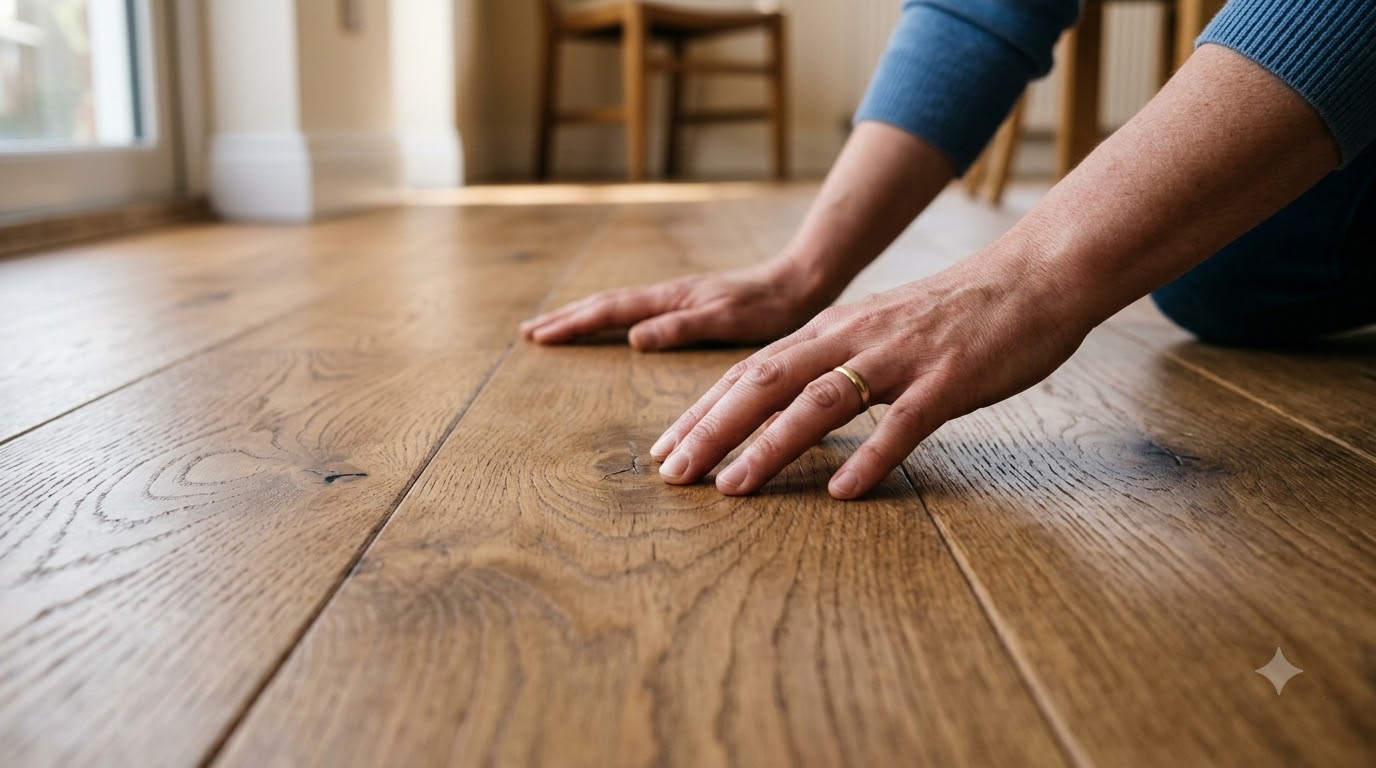
Choosing the right flooring can significantly influence the appearance, comfort and functionality of a home. Timber flooring in Sydney is a popular option for homeowners who want a natural surface that complements both modern and traditional interiors. With different timber types, finishes, colours and installation methods available, understanding the key factors can make the selection process easier.
Why Is Timber Flooring a Popular Choice?
Timber flooring offers a warm and natural appearance that can suit many interior styles. Unlike heavily patterned flooring, timber has a timeless character that can work with changing furniture and décor.
It can also create a sense of space by providing visual continuity between rooms. Depending on the selected species and finish, timber can range from light and subtle to rich and distinctive.
Another advantage is the variety of design choices. Homeowners can select different plank widths, colours, surface textures and finishes to create a floor that matches their preferred style.
What Types of Timber Flooring Are Available?
Different timber flooring options provide different characteristics. Solid timber flooring is made from natural wood throughout and is known for its traditional appearance. It can also be sanded and refinished several times, depending on its thickness and condition.
Engineered timber flooring consists of a real timber surface bonded to layered materials. Its construction can provide greater dimensional stability, making it suitable for various indoor environments.
Reclaimed timber is another option for those seeking a distinctive appearance. It may feature natural marks, variations and aged textures that contribute to a more individual interior style.
How Should Homeowners Choose the Right Timber?
The right flooring depends on several practical considerations. Room usage is one of the first factors to assess. Areas with frequent foot traffic may require a durable timber species and suitable protective finish.
Colour should also be considered alongside natural lighting. Lighter timber can help create an open and airy feel, while darker tones can add warmth and depth.
Plank width and surface texture can influence the overall visual effect. Wider boards may create a contemporary appearance, while narrower boards can provide a more traditional look.
It is also important to consider maintenance requirements. Some finishes may require regular cleaning products or periodic maintenance to preserve their appearance.
What Should Be Considered Before Installation?
A suitable subfloor is essential for a successful flooring installation. The surface should be assessed for moisture, levelness, cleanliness and structural condition before work begins.
Timber can respond to changes in temperature and humidity, so acclimatisation and appropriate installation practices are important. The selected installation method should also suit the flooring product and existing subfloor.
Professional assessment can help identify potential issues before installation starts. This can reduce the likelihood of avoidable problems such as movement, gaps or uneven surfaces.
How Can Timber Floors Be Maintained?
Regular maintenance can help preserve the appearance of a timber floor. Dust and loose dirt should be removed regularly to minimise surface abrasion. Spills should also be cleaned promptly to prevent moisture from affecting the floor.
Using cleaning products recommended for the specific finish is important. Excessive water and harsh chemicals can potentially damage the surface.
Furniture pads can help reduce scratches, while rugs in high-traffic areas may provide additional protection. Direct sunlight can also affect timber colour over time, so window coverings can help manage prolonged exposure.
What Are the Benefits of Professional Installation?
Professional installation can help ensure that flooring is correctly prepared, positioned and finished. Experienced installers can assess the subfloor, account for expansion requirements and select an appropriate installation method.
Proper installation also contributes to the floor’s appearance and long-term performance. Attention to details such as board alignment, transitions and finishing can create a more polished result.
Conclusion
Timber flooring in Sydney can add natural character, warmth and lasting style to a wide range of interiors. By considering timber type, room conditions, design preferences, maintenance needs and installation requirements, homeowners can make a more informed flooring decision that suits their property and lifestyle.




