
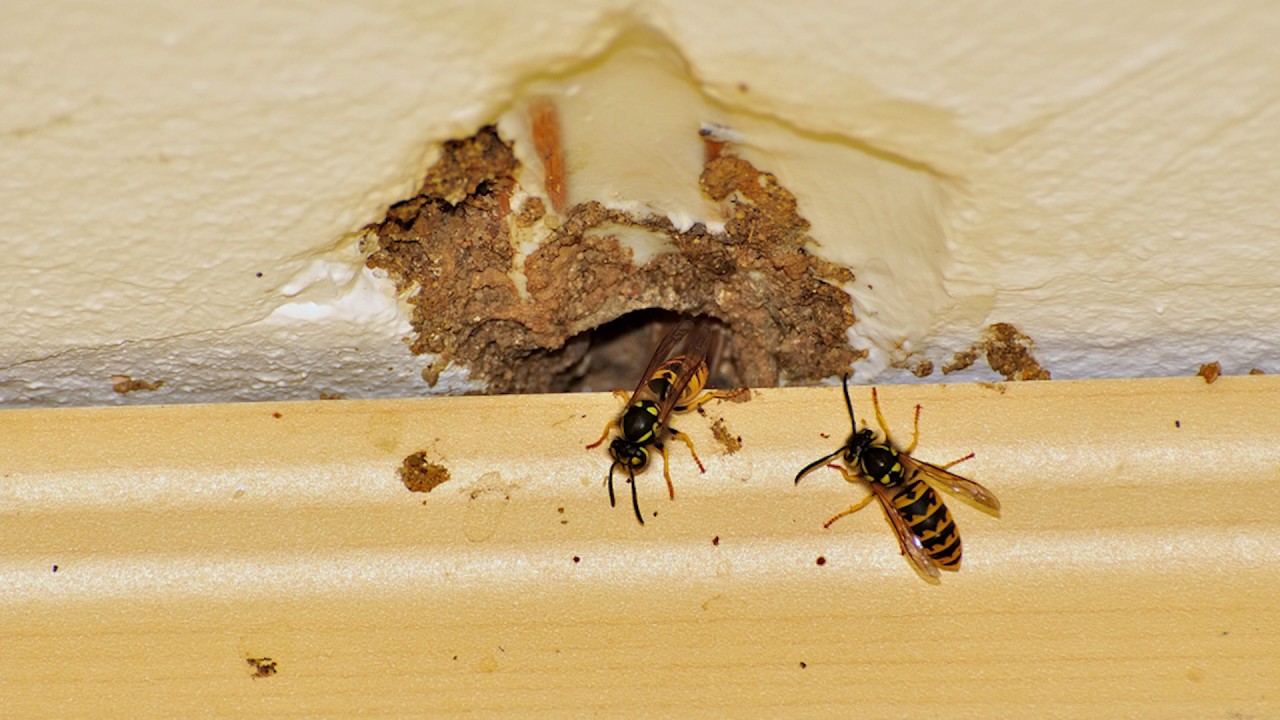
Bees play a crucial role in our ecosystem as pollinators, contributing to the health of plants and crops. However, when bees become a nuisance or pose a threat to human safety, understanding their behaviour and employing effective Bee Pest Control in Melbourne is essential. In Melbourne, where diverse bee species are prevalent, managing bee-related issues requires a balanced approach that considers both ecological importance and human safety.
Bee Behaviour: What You Need to Know
Bees are social insects that live in colonies. Their behaviour is influenced by the need to protect their hive, gather food, and reproduce. Understanding these behaviours can help in managing bee-related issues effectively.
- Swarming: Bees swarm when they are looking for a new place to establish a hive. Swarming bees are generally not aggressive as they are focused on finding a new home.
- Foraging: Bees forage for nectar and pollen, which they bring back to the hive. They can travel several kilometres from the hive in search of food.
- Defence: Bees will defend their hive aggressively if they feel threatened. This defensive behaviour can be problematic if a hive is located near human activity.
Effective Bee Pest Control Methods
In Melbourne, bee pest control must be handled carefully to protect these vital insects while ensuring human safety. Several methods can be employed to manage bee infestations effectively.
Relocation
Relocation is the preferred method for dealing with bee infestations. Professional beekeepers or pest control experts can safely remove and relocate the hive to a more suitable location. This method is environmentally friendly and preserves the bee population.
Physical Barriers
Installing physical barriers can prevent bees from accessing certain areas. For example, sealing cracks and crevices in buildings can prevent bees from establishing hives in unwanted places. Mesh screens can also be used to cover vents and other openings.
Natural Repellents
Natural repellents, such as essential oils (eucalyptus, citronella, and peppermint), can deter bees from nesting in specific areas. These repellents can be applied around windows, doors, and other entry points to keep bees at bay without harming them.
Professional Pest Control
In cases where bee infestations pose a significant threat to human safety, professional pest control services may be required. Professional Pest Control Near you are trained to handle bees safely and effectively, using methods that minimise harm to the bees and the environment.
Education and Awareness
Educating the public about bee behaviour and the importance of bees can help reduce unnecessary panic and promote coexistence. Encouraging people to avoid swatting at bees and to keep a safe distance from hives can prevent conflicts.
The Importance of Bees in Melbourne
Bees are indispensable to Melbourne’s biodiversity and agriculture. They pollinate a variety of plants, contributing to the production of fruits, vegetables, and seeds. Protecting bee populations is vital for maintaining ecological balance and food security.
- Pollination: Bees pollinate many of the crops and plants that are essential to the local food supply.
- Biodiversity: Bees support the growth of trees, flowers, and other plants that serve as food and shelter for various wildlife species.
- Economic Impact: The agricultural sector in Melbourne relies heavily on bees for crop production, making their protection economically significant.
Conclusion
Managing bee behaviour and implementing effective pest control methods in Melbourne is a delicate balance between ensuring human safety and protecting the environment. Understanding bee behaviour is crucial for addressing bee-related issues without causing unnecessary harm to these essential insects. Relocation, physical barriers, natural repellents, and professional pest control are all viable methods for managing bee infestations. Public education and awareness also play a key role in promoting coexistence and reducing conflicts.
By adopting responsible and informed pest control practices, Melbourne can continue to benefit from the essential services that bees provide, ensuring a healthy ecosystem and thriving agricultural sector. Protecting bees while managing their presence around human activities is a shared responsibility that requires cooperation and understanding.




