
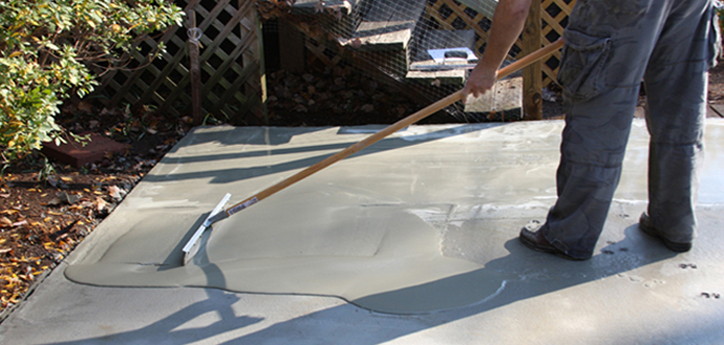
Damaged, worn, or outdated concrete surfaces can reduce your property’s appearance and functionality. Instead of investing in expensive replacements, many homeowners and businesses choose concrete resurfacing as a practical and budget-friendly solution. Knowing the concrete resurfacing cost helps you plan your project effectively while achieving a durable and visually appealing finish.
Concrete resurfacing restores existing concrete by applying a new layer over the surface, improving both strength and appearance. It is widely used for driveways, patios, pool surrounds, garage floors, and commercial spaces, offering long-term benefits at a lower cost than complete replacement.
Why Concrete Resurfacing is a Cost-Effective Solution
Concrete replacement involves demolition, disposal, and new installation, which can be expensive and time-consuming. Resurfacing eliminates these processes by restoring the existing structure, reducing labour, material costs, and project time.
This method not only repairs damage but also improves resistance to weather, heavy traffic, and daily wear. It provides a fresh, modern look while strengthening the surface, making it a smart investment for property owners seeking value for money.
Estimated Concrete Resurfacing Cost
Concrete resurfacing costs vary depending on project size, surface condition, and chosen finish. Simple resurfacing jobs with minimal repairs are generally more affordable, while decorative finishes and extensive preparation increase the total price.
Basic resurfacing solutions typically involve cleaning, minor repairs, and applying a standard coating. More advanced options such as textured finishes, coloured coatings, or protective sealants may cost more but provide enhanced durability and aesthetic appeal.
Although costs vary, resurfacing remains significantly more economical than full replacement, making it a preferred choice for many property owners.
Key Factors Influencing Concrete Resurfacing Cost
Understanding what affects pricing helps you manage your budget and select the best resurfacing option for your needs.
Condition of Existing Concrete
The condition of your current surface plays a major role in determining costs. Minor cracks and surface imperfections require minimal preparation, while severe damage may need extensive repairs before resurfacing can begin.
Surface Area
The total size of the area directly impacts material and labour requirements. Larger spaces increase overall cost but often reduce the price per square metre.
Type of Resurfacing System
Different resurfacing systems vary in cost and performance. Common options include:
- Concrete overlays for smooth surface restoration
- Spray-on coatings for decorative and slip-resistant finishes
- Epoxy coatings for high durability and chemical resistance
- Stamped or textured finishes for decorative appeal
The complexity of the design and application method influences the final price.
Quality of Materials
Premium materials offer better durability, resistance, and longevity but may increase upfront costs. However, high-quality materials reduce maintenance and repair expenses over time.
Labour and Installation
Professional expertise ensures proper surface preparation and application. Skilled contractors may charge higher fees, but their experience guarantees long-lasting and high-quality results.
Benefits of Concrete Resurfacing
Concrete resurfacing provides several advantages beyond cost savings. It enhances both the performance and visual appeal of your surfaces.
Major benefits include:
- Restores old and damaged concrete
- Improves durability and strength
- Enhances property appearance
- Offers decorative design options
- Requires less time than replacement
- Increases property value
- Reduces long-term maintenance costs
These advantages make resurfacing an ideal solution for residential and commercial properties.
Where Concrete Resurfacing Can Be Applied
Concrete resurfacing is a versatile solution suitable for various areas around your property, including:
- Residential driveways and pathways
- Outdoor entertaining areas and patios
- Pool surrounds and garden spaces
- Garage and workshop floors
- Commercial and industrial surfaces
Its flexibility and durability make it a reliable option for both indoor and outdoor applications.
Tips to Manage Concrete Resurfacing Costs
Proper planning can help you control resurfacing expenses while achieving excellent results.
- Address minor damage early to avoid major repairs
- Choose simple finishes for lower costs
- Maintain your surface regularly after resurfacing
- Request multiple quotes from experienced contractors
- Invest in quality materials for long-term durability
These steps ensure you receive maximum value from your investment.
Why Professional Concrete Resurfacing is Worth It
While DIY resurfacing may seem cheaper, professional services deliver better and longer-lasting results. Experts follow proper preparation methods, use advanced tools, and apply high-quality coatings to ensure strong adhesion and durability.
Professional resurfacing reduces the risk of peeling, cracking, or uneven finishes, ultimately saving money on future repairs.
Conclusion
Understanding concrete resurfacing cost helps property owners choose an affordable and effective way to restore their concrete surfaces. With lower costs than full replacement, faster installation, and long-term durability, resurfacing offers exceptional value for both residential and commercial properties.
By investing in professional concrete resurfacing, you can enhance your property’s appearance, improve safety, and extend the life of your existing surfaces. Whether upgrading a driveway, patio, or commercial floor, concrete resurfacing remains a reliable and cost-efficient solution for modern property improvements.




