
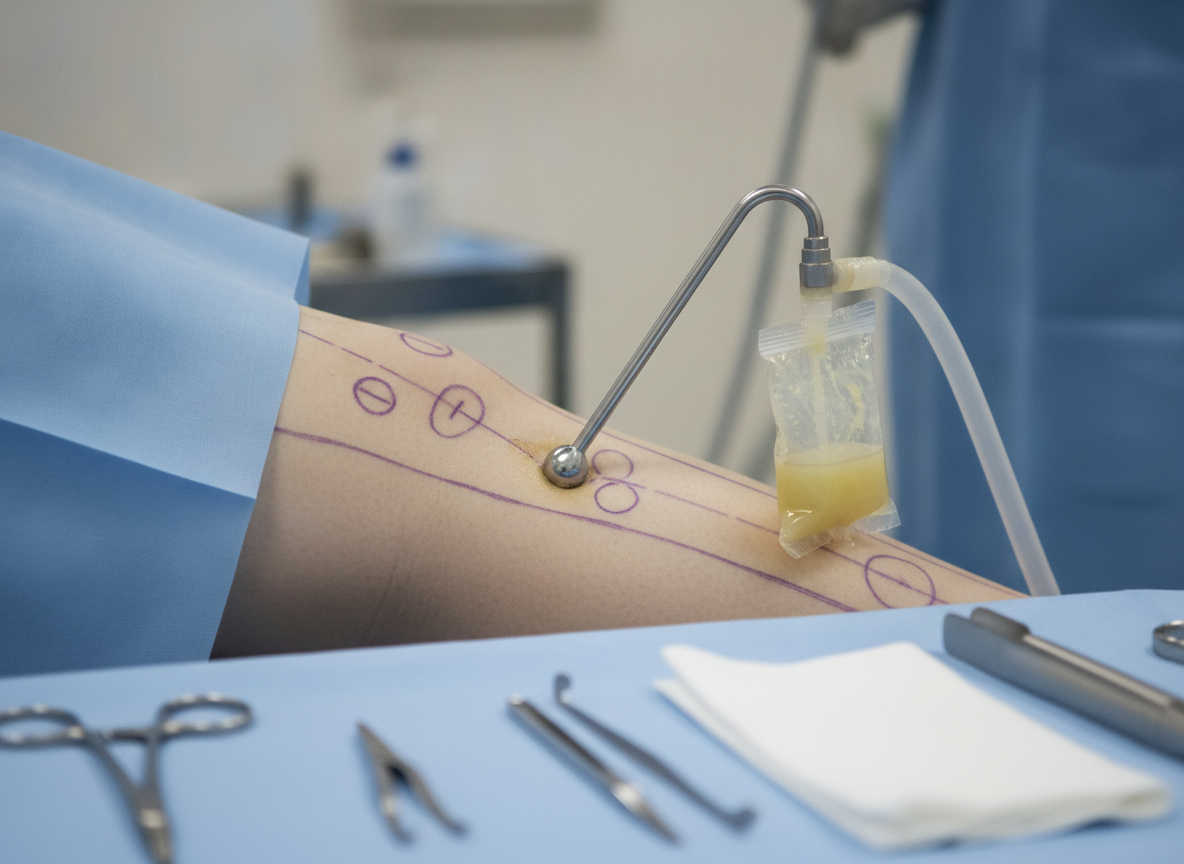
Managing lymphoedema often involves a combination of therapies designed to reduce swelling and improve quality of life. For some individuals with long-standing or advanced lymphoedema, lymphoedema liposuction may be considered as part of a broader treatment plan when conservative management approaches alone are not achieving the desired outcomes.
This procedure is typically assessed on an individual basis and is usually considered alongside ongoing lymphoedema management strategies.
What Is Lymphoedema Liposuction?
Lymphoedema liposuction is a specialised surgical procedure used to remove excess fatty tissue that can accumulate in areas affected by chronic lymphoedema.
The procedure may be considered for individuals who:
- Have persistent limb swelling
- Experience excess tissue buildup
- Have long-term lymphoedema that has become difficult to manage
- Require additional support beyond conservative treatment methods
A comprehensive assessment is generally required to determine suitability.
When Might It Be Considered?
Not all individuals with lymphoedema will require surgical intervention. Lymphoedema liposuction is typically considered after other management approaches have been explored.
Factors that may influence treatment decisions include:
- Duration and severity of lymphoedema
- Response to compression therapy
- Extent of tissue changes
- Overall health and medical history
- Long-term management goals
Treatment recommendations are usually based on individual circumstances and clinical assessments.
Ongoing Care After the Procedure
Long-term management remains important following surgery to help maintain treatment outcomes and support lymphatic health.
Post-procedure care may involve:
- Wearing compression garments as recommended
- Attending follow-up appointments
- Maintaining physical activity where appropriate
- Monitoring limb volume and swelling
- Continuing lymphoedema management strategies
Ongoing care is often an important part of achieving and maintaining positive results.
The Importance of Professional Assessment
Because lymphoedema can vary significantly between individuals, treatment options should be carefully evaluated by experienced healthcare professionals.
Assessment may include:
- Review of medical history
- Evaluation of swelling and tissue changes
- Discussion of treatment goals
- Examination of current management strategies
- Consideration of potential treatment outcomes
A personalised approach can help determine the most suitable management pathway.
A Comprehensive Approach to Lymphoedema Care
For some individuals, lymphoedema liposuction may form part of a broader treatment plan aimed at improving comfort, mobility, and limb function. When combined with ongoing management and professional guidance, the procedure may help support better long-term outcomes while assisting individuals in managing the effects of chronic lymphoedema more effectively.




