
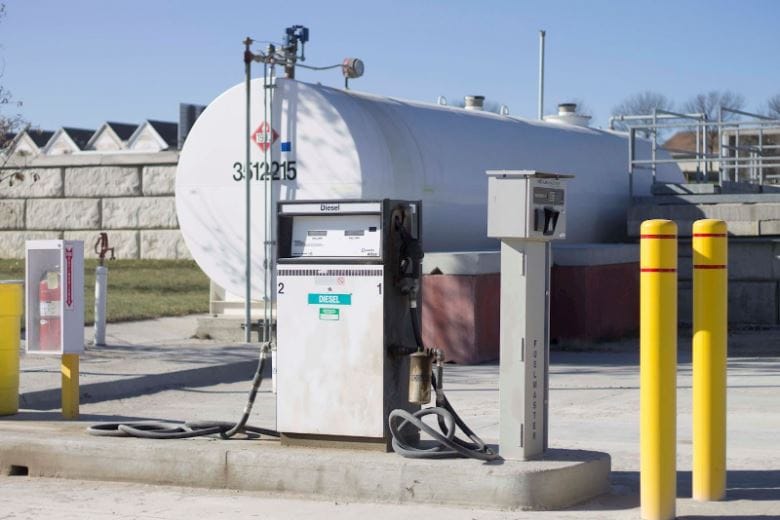
Fleet refuelling is the organised process of supplying fuel to multiple vehicles or pieces of equipment used within a commercial or industrial operation. It is commonly used in transport, logistics, construction, mining, agriculture, and government services where efficient fuel management is essential for daily operations. Understanding the process of Fleet Refuelling helps businesses improve scheduling, reduce downtime, and maintain consistent vehicle availability. A structured refuelling system also supports fuel monitoring, operational efficiency, and maintenance planning.
Planning Fuel Requirements
Effective fleet refuelling begins with assessing the fuel needs of vehicles and equipment. Accurate planning helps ensure fuel supplies remain available without interruption.
- Evaluates daily and weekly fuel consumption.
- Identifies the number and type of vehicles in operation.
- Assesses operational schedules and travel distances.
- Monitors seasonal variations in fuel demand.
- Determines suitable fuel storage capacity.
Fuel Storage and Supply Setup
Fleet operations typically rely on dedicated fuel storage systems to support efficient refuelling procedures. Proper storage infrastructure is essential for safety and accessibility.
- Bulk storage tanks hold diesel or petrol supplies.
- Pumps and dispensing systems control fuel transfer.
- Tank monitoring systems track inventory levels.
- Spill containment measures support environmental protection.
- Security systems restrict unauthorised access.
Importance of Fuel Accessibility
Positioning storage systems in practical locations helps reduce delays and improves operational efficiency during refuelling activities.
Vehicle Identification and Access Control
Controlled access ensures that only authorised vehicles and operators receive fuel. Identification systems help track usage accurately.
- Drivers use cards, tags, or identification codes.
- Vehicles may be linked to specific fuel accounts.
- Access permissions can be restricted by user type.
- Fuel transactions are recorded automatically.
- Dispensing limits may be applied where required.
The Refuelling Process
The actual refuelling stage involves dispensing fuel safely and accurately into each vehicle or machine.
- Vehicles are positioned at the designated refuelling point.
- Fuel nozzles are connected securely.
- Dispensing systems measure fuel quantities precisely.
- Operators monitor filling levels during transfer.
- Equipment is checked for leaks or spills after refuelling.
Recording Fuel Usage
Accurate record-keeping is an important part of fleet refuelling operations. Automated systems simplify monitoring and reporting.
- Tracks fuel consumption by vehicle.
- Records date, time, and quantity dispensed.
- Monitors usage trends over time.
- Supports budgeting and operational analysis.
- Assists with maintenance scheduling.
Real-Time Monitoring Systems
Digital fuel management platforms can provide immediate access to operational data, improving oversight and decision-making.
Supporting Maintenance and Performance Management
Fuel consumption patterns often provide insight into vehicle condition and operational efficiency.
- Identifies unusually high fuel consumption.
- Supports preventive maintenance planning.
- Tracks engine performance trends.
- Helps reduce unnecessary idling.
- Contributes to longer vehicle service life.
Safety and Environmental Procedures
Fuel handling requires careful management to minimise safety risks and environmental impact.
- Staff follow approved handling procedures.
- Spill response equipment is maintained on-site.
- Storage tanks are inspected regularly.
- Ventilation and fire safety measures are implemented.
- Waste disposal follows environmental guidelines.
Applications Across Different Industries
Fleet refuelling systems are used in many sectors where multiple fuel-powered vehicles or machines operate regularly.
- Freight and logistics fleets.
- Public transport operations.
- Construction and earthmoving projects.
- Agricultural machinery management.
- Emergency and municipal services.
Conclusion
The process of Fleet Refuelling involves fuel planning, storage management, controlled dispensing, usage monitoring, and maintenance coordination. A structured approach helps organisations maintain reliable vehicle availability while improving fuel efficiency and operational oversight. Accurate tracking and secure handling procedures also contribute to safety and cost management. By understanding each stage of the process, businesses can support more efficient and organised fleet operations.




