
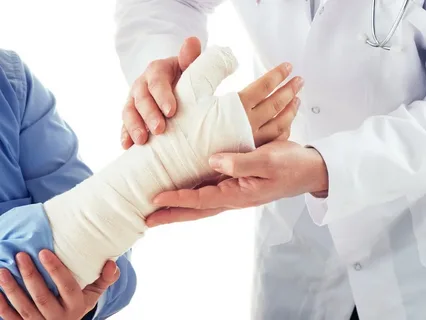
If you’ve suffered a fracture, finding a fracture clinic near you is crucial for receiving prompt, specialised care. Fracture clinics are designed to treat bone fractures and injuries, providing medical attention from the initial diagnosis through to recovery. These clinics offer services that cater to both minor and major fractures, ensuring you receive the appropriate care at each stage of the healing process. So, what can you expect when you visit a fracture clinic, and how does it benefit your recovery?
What Services Are Offered at a Fracture Clinic Near You?
- Initial Assessment and Diagnosis: The first step in any fracture treatment is a thorough examination. At a fracture clinic, you will receive a complete evaluation, including imaging tests such as X-rays or MRIs, to assess the extent of the injury and confirm the type of fracture.
- Casting and Splinting: Once the fracture is diagnosed, the next step is immobilisation. Depending on the type and location of the fracture, you may be fitted with a cast or splint to keep the bone stable during healing.
- Surgical Interventions: In some cases, fractures may require surgery for proper alignment and healing. A fracture clinic will have surgeons on hand to perform procedures such as pinning, plating, or using screws to stabilise the bone.
- Pain Management: Managing pain effectively is a key part of fracture care. Your clinic will provide advice on pain relief methods, which may include medication or other therapies to make the recovery process more comfortable.
- Post-Injury Rehabilitation: After the bone has healed, rehabilitation is essential to restore movement and strength. A fracture clinic may offer physiotherapy services to help you regain full function, flexibility, and mobility in the affected area.
How Do I Find a Reliable Fracture Clinic Near You?
- Recommendations from Health Professionals: Your primary care doctor or local hospital may recommend a reputable fracture clinic in your area. Additionally, friends or family who have experienced fractures can often provide useful suggestions based on their own experiences.
- Check for Specialisation: Ensure the clinic specialises in orthopaedic fractures and has trained professionals who can handle both simple and complex fractures. Look for clinics that offer a multidisciplinary approach, including surgeons, physiotherapists, and pain specialists.
- Location and Accessibility: Fracture clinics often require multiple visits for follow-ups or rehabilitation. Choose one that is conveniently located so you can easily access care during the recovery process.
- Insurance and Payment Options: Before choosing a clinic, ensure that your insurance covers the cost of treatment or ask about payment plans and pricing to avoid unexpected expenses.
How Can a Fracture Clinic Help with Faster Recovery?
- Expertise in Bone Healing: Fracture clinics specialise in the intricacies of bone healing. Their knowledge of the most effective immobilisation methods, pain management techniques, and rehabilitation exercises ensures that fractures heal correctly and efficiently.
- Preventing Complications: Without proper care, fractures can lead to complications such as infections, misalignment, or delayed healing. A specialised clinic reduces the risk of these issues by providing tailored care and monitoring throughout the healing process.
Conclusion
Finding a fracture clinic near you ensures that you receive the expert care and attention needed for effective recovery after a fracture. These clinics offer comprehensive services, from initial diagnosis to rehabilitation, ensuring you heal properly and regain full function. By choosing a local clinic with a strong reputation, you can ensure a smooth recovery journey.




