Construction and infrastructure projects often require more than just access to heavy equipment. Skilled operators, suitable machinery, and efficient project coordination can all influence how smoothly site work progresses. For businesses and contractors, wet hire can provide a practical approach when both equipment and an experienced operator are needed.
Wet hire machinery in Sydney refers to construction equipment supplied with a qualified operator. This arrangement can be useful for excavation, earthmoving, site preparation, material handling, and other projects where specialised machinery requires experienced operation.
What Does Wet Hire Mean?
Wet hire generally combines machinery rental with an operator. Instead of arranging equipment separately and finding someone with the appropriate experience to operate it, the service includes both components.
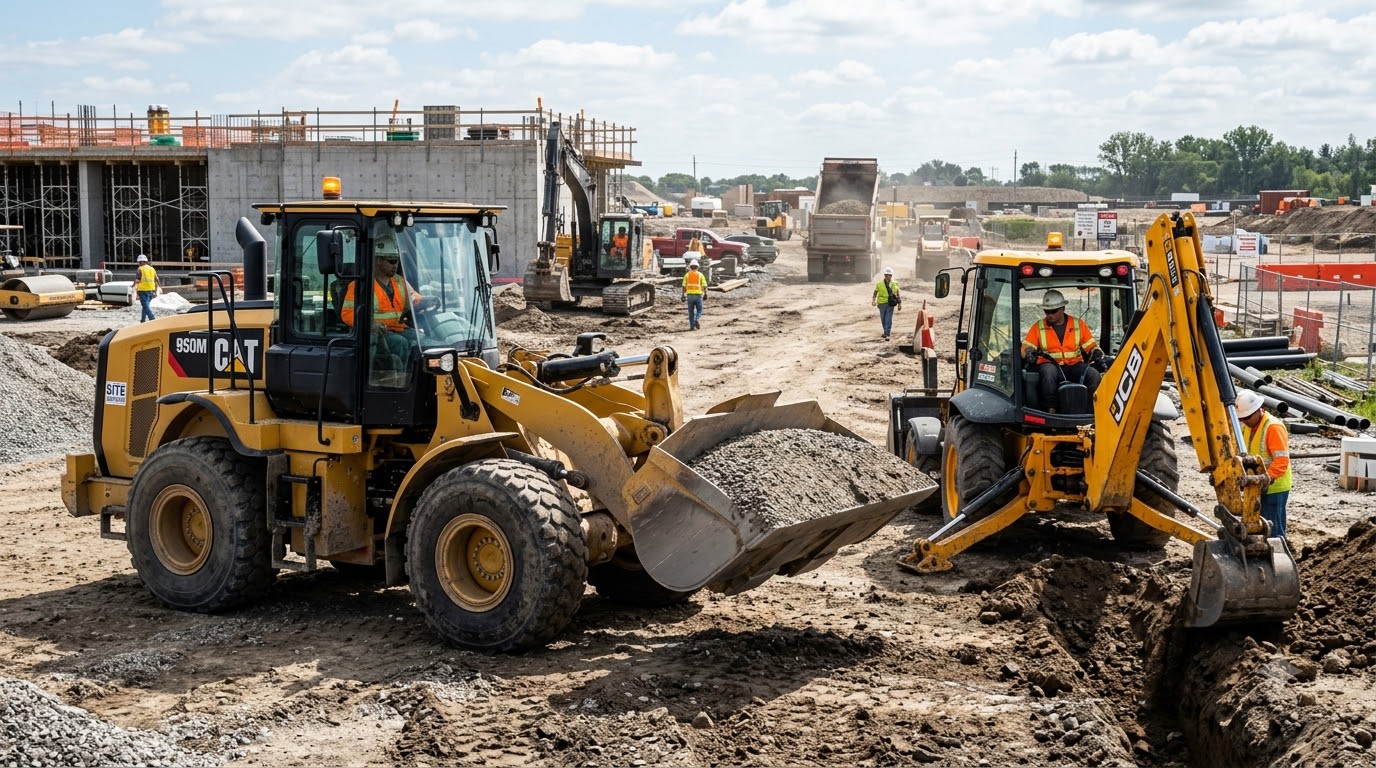
The machinery available can vary depending on the provider and project requirements. Excavators, skid steer loaders, loaders, rollers, dump trucks, and other construction equipment may be available under wet hire arrangements.
When Is Wet Hire Useful?
Wet hire can be considered for projects that require machinery for a specific period or task. It may suit construction sites, landscaping projects, civil works, demolition preparation, excavation, and property development.
Projects with tight schedules can particularly benefit from having an experienced operator familiar with the equipment. This can help site teams coordinate machinery use with other activities while maintaining an organised workflow.
What Are the Benefits?
One key benefit is convenience. The contractor does not necessarily need to source machinery and an operator independently. Having an operator supplied with the equipment can also help ensure that the machine is handled by someone familiar with its controls and intended applications.
Wet hire can also provide flexibility for short-term projects. Businesses can select equipment based on the work involved rather than purchasing machinery that may only be required occasionally.
Another consideration is project efficiency. Experienced operators understand how different machines are used across common construction tasks and can work alongside other site personnel to support coordinated operations.
How Should Contractors Choose Machinery?
The right equipment depends on several factors, including the type of work, site conditions, available space, access requirements, material being handled, and project duration.
Before arranging machinery, contractors should identify the specific task and determine the equipment capacity required. They should also consider ground conditions, operating areas, transport access, and any site-specific safety requirements.
Discussing these details with a machinery hire provider can help identify equipment that is appropriate for the project rather than selecting a machine based only on size or availability.
What Should Be Checked Before Hiring?
Contractors should clarify what is included in the hire arrangement before work begins. Important details may include the machinery type, operator availability, hire period, operating hours, transportation arrangements, and site access requirements.
It is also useful to confirm that the operator has relevant experience for the type of work involved. Clear communication about the project scope can help reduce misunderstandings and support better site planning.
Wet Hire vs Dry Hire
The main difference between wet and dry hire is the inclusion of an operator. Dry hire generally involves hiring the machinery without an operator, while wet hire includes both the equipment and an operator.
Dry hire may suit businesses that already have appropriately trained personnel. Wet hire can be considered when a project requires specialised machinery and an experienced operator as part of the arrangement.
Conclusion
Wet hire machinery in Sydney can be a practical option for construction, excavation, civil, landscaping, and earthmoving projects that require both equipment and skilled operation. By assessing the project requirements, site conditions, machinery type, and hire terms beforehand, contractors can select an arrangement that fits their operational needs.