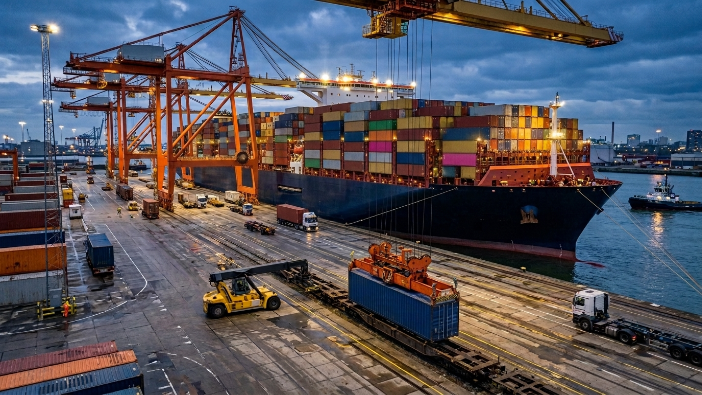
Moving substantial freight in containers is a logistical undertaking that involves considerably more than booking a vessel and loading goods into a box. When the cargo is heavy, dense, or oversized relative to standard shipping weights, the planning requirements multiply and the margin for error shrinks. Heavy container shipping demands careful attention to weight distribution, container selection, documentation, and port compliance before a single piece of cargo is loaded, and getting these details right from the outset is what determines whether the shipment arrives on time, in good condition, and without unexpected costs along the way.
Understanding Container Weight Limits
Every shipping container has two weight-related limits that matter in heavy cargo situations. The tare weight is the weight of the empty container itself, typically around two to two and a half tonnes for a standard twenty-foot unit. The payload limit is the maximum cargo weight the container is rated to carry, which varies by container type and manufacture but is typically in the range of twenty-two to twenty-eight tonnes for a standard unit.
Beyond these, the Verified Gross Mass requirement introduced under SOLAS regulations requires the total weight of the packed container, including the container itself and all cargo, to be verified and submitted to the shipping line before the container is accepted at the port. Errors or inaccuracies in the VGM declaration can result in the container being refused at the port or delays that affect the entire vessel’s loading schedule.
Choosing the Right Container Type for Heavy Cargo
Standard dry freight containers handle the majority of heavy container shipping requirements, but certain cargo characteristics call for alternative container types that provide better access or structural accommodation for the load.
Flat rack containers are used for cargo that is too wide, too tall, or too heavy to load through the end doors of a standard container. They provide open sides and ends that allow heavy machinery, structural steel, and oversized equipment to be loaded from the side and secured to the platform without the dimensional constraints of a fully enclosed container.
Open top containers provide overhead access for cargo that cannot be loaded through the standard end doors due to height, and are commonly used for bulk materials, large fabrications, and heavy equipment that needs to be craned into the container from above.
Weight Distribution and Load Securing
How weight is distributed across the floor of a container during heavy container shipping is not simply a matter of getting as much as possible into the available space. The centre of gravity of the loaded container affects its stability during lifting, handling at the port, and the stacking loads it exerts on containers below it in the vessel’s hold.
Heavy cargo should be distributed as evenly as possible across the container floor, concentrated toward the centre rather than at the ends, and kept as low as possible to reduce the height of the centre of gravity. Securing arrangements need to be engineered for the specific cargo weight and the forces it will experience during sea passage, which for heavy loads often means purpose-built dunnage, timber blocking, and load-rated lashing rather than generic cargo straps.
Documentation Requirements for Heavy Shipments
Heavy container shipping generates a documentation burden that goes beyond the standard bill of lading and packing list. Dangerous goods declarations apply where cargo meets the relevant thresholds. Commodity-specific import and export regulations in both the origin and destination countries may require permits, certificates of origin, phytosanitary documentation, or end-user declarations depending on the nature of the goods.
For machinery and industrial equipment, manufacturer documentation, serial number records, and in some cases decontamination certificates for equipment that has been used in agricultural or mining environments are required by biosecurity authorities before the cargo can be cleared at the Australian border.
Working With Freight Forwarders on Complex Heavy Cargo
The complexity of heavy container shipping is one of the strongest arguments for engaging an experienced freight forwarder who understands the specific requirements of the cargo type, the trade lane involved, and the port facilities at both ends of the shipment. A freight forwarder with heavy cargo experience adds value by confirming the correct container type for the load, managing VGM compliance, coordinating with stevedores and port operators on any special handling requirements, and ensuring the documentation package is complete and accurate before the container reaches the port gate.
The cost of a freight forwarding engagement is consistently justified by the avoided costs of errors, delays, and compliance issues that arise when complex heavy cargo shipments are managed without specialist knowledge.