
Blocked drains may start as a minor inconvenience but can quickly escalate into a serious problem. From slow-draining sinks to water backing up in toilets or showers, recognising the signs early is essential. But how do you know when a blockage is more than just a temporary annoyance?
What Are the Most Common Causes of Blocked Drains?
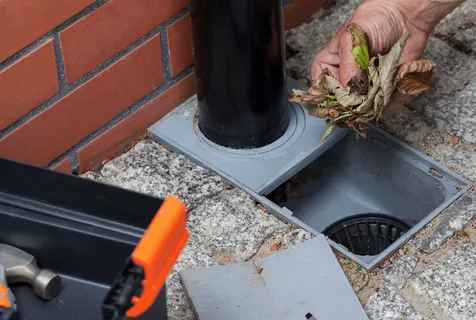
Drain blockages often result from everyday household debris. Hair, soap scum, grease, food particles, and foreign objects can accumulate over time, restricting water flow. Outdoor drains may also become blocked due to leaves, soil, or tree root intrusion. Understanding the root cause of the blockage is important because it determines the most effective solution and prevents future issues.
How Can Slow Drains Signal Bigger Problems?
A slow-draining sink or shower might seem harmless initially. However, persistent slow drainage can indicate an underlying problem, such as pipe corrosion, misaligned plumbing, or a deeper blockage in the sewer line. Ignoring slow drains can allow water to pool and increase the risk of overflows, water damage, and unpleasant odours throughout the property.
Why Is Immediate Action Crucial for Severe Blockages?
When water starts backing up or overflowing from sinks, showers, or toilets, the situation becomes urgent. Untreated blockages can lead to flooding, structural damage, and potential health hazards from contaminated water. Many homeowners in Woollahra rely on a blocked drains in Woollahra service to clear stubborn blockages efficiently and prevent further damage. Professional intervention ensures the blockage is fully removed rather than temporarily shifted along the pipes.
Can Tree Roots and External Factors Affect Your Drains?
Underground pipes are vulnerable to external pressures. Tree roots naturally grow towards moisture, infiltrating cracks in pipes and causing severe blockages. Heavy rain or ground movement can also disrupt underground plumbing, resulting in unexpected backups. These factors are often hidden until significant drainage issues appear, which is why proactive maintenance and timely inspections are vital.
What Can Homeowners Do While Waiting for Assistance?
If a blockage occurs, there are a few precautionary steps to reduce damage. Avoid using sinks, toilets, or showers connected to the blocked pipe. Place towels or containers to catch any water overflow, and ensure electrical appliances are away from affected areas. Avoid using chemical drain cleaners excessively, as they can damage pipes and worsen the problem.
How Can Regular Maintenance Prevent Future Blockages?
Routine drain cleaning and inspections can dramatically reduce the risk of sudden blockages. Installing strainers in sinks and showers helps catch debris before it enters the pipes. Regular checks for leaks, corrosion, or tree root intrusion also keep drains flowing freely. Preventative care means fewer emergency call-outs and a lower chance of property damage.
When Should DIY Methods Be Avoided?
Simple blockages may sometimes be addressed with plungers or hand-operated drain snakes. However, persistent or severe blockages often require specialised equipment and expertise. Attempting DIY fixes on stubborn blockages can push debris further into the pipes or damage plumbing, resulting in more expensive repairs. Calling a professional for blocked drains in Woollahra ensures the issue is resolved safely and effectively.
Final Thoughts: Recognising the Signs Early Matters
Blocked drains can turn a manageable issue into a costly emergency if left untreated. Knowing the causes, understanding warning signs, and taking timely action is essential for maintaining a safe and efficient plumbing system. Engaging a trusted professional when blockages arise provides peace of mind, protects property, and restores normal drainage quickly.




