
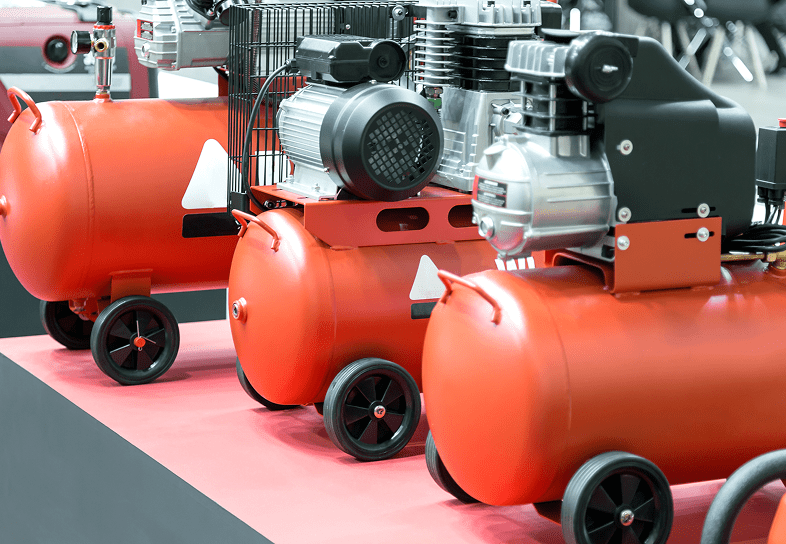
Moisture is an unavoidable by-product of air compression. Installing a reliable refrigerated air dryer ensures that excess water vapour is removed before it reaches downstream equipment. Without proper drying, moisture can corrode pipes, damage tools and compromise product quality. Understanding how refrigerated drying works helps businesses maintain efficient and dependable compressed air systems.
How Does a Refrigerated Air Dryer Work?
A refrigerated air dryer removes moisture by cooling compressed air to a low temperature. As the air cools, water vapour condenses into liquid and is separated from the system.
- Compressed air enters a heat exchanger for cooling
- Moisture condenses as the temperature drops
- Condensed water is collected and drained
- Dry air is reheated slightly before distribution
This process ensures consistent dryness suitable for most industrial applications.
Why Is Moisture Removal So Important?
Excess moisture within compressed air systems can cause widespread damage and inefficiency. Removing it protects both infrastructure and equipment.
- Prevents corrosion in pipelines and storage tanks
- Reduces wear on pneumatic tools
- Protects valves and seals from deterioration
- Minimises risk of production interruptions
Dry air contributes to long-term operational reliability.
What Applications Benefit Most from Refrigerated Dryers?
Refrigerated dryers are commonly used in general manufacturing and workshop environments. They provide sufficient dryness for most standard industrial uses.
- Automotive and mechanical workshops
- Packaging and light manufacturing facilities
- Construction and fabrication environments
- General pneumatic tool operations
They are well suited to applications where extremely low dew points are not required.
How Does Dew Point Affect Performance?
Dew point refers to the temperature at which moisture condenses from compressed air. Refrigerated dryers typically maintain a moderate dew point suitable for general use.
- Maintains consistent dryness for everyday applications
- Prevents condensation within pipe networks
- Protects equipment from moisture-related damage
- Supports stable system pressure
Understanding dew point helps determine whether this type of dryer is appropriate.
Are Refrigerated Air Dryers Energy Efficient?
Modern systems are designed to operate efficiently while maintaining performance. Energy-conscious features improve long-term sustainability.
- Integrated heat exchangers improve cooling efficiency
- Automatic cycling reduces unnecessary operation
- Balanced system sizing prevents overworking the compressor
- Regular servicing maintains energy performance
Selecting the correct capacity ensures optimal efficiency.
What Maintenance Does a Refrigerated Air Dryer Require?
Routine maintenance ensures reliable performance and extends equipment lifespan. Neglecting servicing may reduce drying effectiveness.
- Cleaning or replacing pre-filters
- Checking refrigerant levels
- Inspecting condensate drains
- Monitoring pressure drops across the unit
Consistent upkeep prevents unexpected downtime.
How Does It Compare to Other Dryer Types?
While desiccant dryers achieve lower dew points, refrigerated dryers are often more practical for general applications.
- Lower operating complexity
- Suitable for most industrial environments
- Generally simpler maintenance requirements
- Cost-effective for moderate drying needs
The right choice depends on operational demands and required air quality.
Can Proper Installation Improve Performance?
Correct installation ensures the dryer functions efficiently within the overall compressed air system.
- Proper placement after the compressor
- Adequate ventilation for cooling
- Correct drainage setup
- Accurate pressure regulation
Professional installation prevents operational inefficiencies.
Conclusion
Moisture control is essential for maintaining reliable compressed air performance. A properly selected refrigerated air dryer provides effective drying for a wide range of industrial applications. By preventing corrosion, protecting equipment and supporting consistent air quality, it contributes to smooth and efficient operations. With routine maintenance and correct installation, refrigerated dryers deliver dependable long-term performance.




