
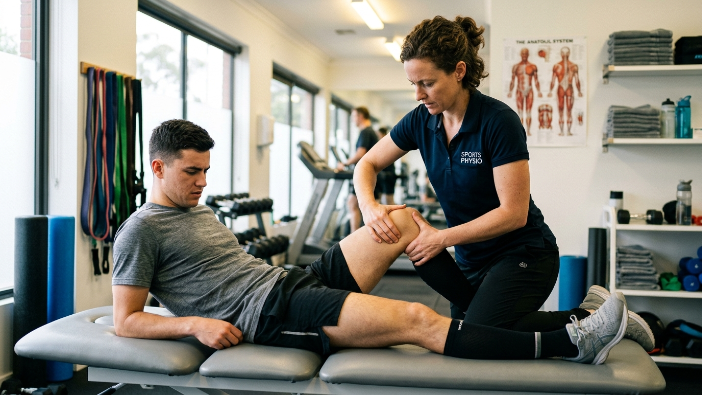
Whether you are a weekend warrior nursing a sore knee, a competitive athlete pushing through a hamstring strain, or someone who simply overdid it at the gym, one truth holds across all of these situations — the right professional support makes recovery faster, safer, and more complete than going it alone. Finding a sports physio near you is one of the most valuable decisions an active person can make, and knowing what to look for ensures the practitioner you choose genuinely matches the demands of your sport, your body, and your recovery goals.
What Sports Physiotherapy Actually Covers
Sports physiotherapy is a specialised branch of physiotherapy focused on the prevention, assessment, treatment, and rehabilitation of injuries sustained through physical activity. While general physiotherapy covers a broad range of musculoskeletal conditions, sports physiotherapists bring additional expertise in the demands of specific sports, the biomechanical patterns that lead to injury, and the performance-focused rehabilitation that gets active people back to full capacity rather than simply pain-free.
In Australia, physiotherapists must hold an approved degree and be registered with AHPRA. Sports physiotherapists typically hold additional postgraduate qualifications or extensive clinical experience in athletic injury management.
Injuries Commonly Treated by Sports Physiotherapists
The scope of conditions managed within sports physiotherapy is wide. Practitioners working in this space regularly treat:
- Muscle strains and tears in the hamstrings, quadriceps, calf, and groin — among the most common injuries across running, football, and court sports.
- Ligament sprains including ankle sprains and ACL injuries that require careful rehabilitation to restore stability and prevent re-injury.
- Tendon injuries such as Achilles tendinopathy, patellar tendinopathy, and rotator cuff issues that respond well to load management and progressive strengthening.
- Stress fractures and bone stress reactions frequently seen in endurance athletes and those who have increased training volume too quickly.
- Shoulder injuries including dislocations, labral tears, and impingement syndromes common in swimmers, throwers, and overhead sport athletes.
- Lower back and hip complaints that affect movement efficiency and performance across virtually every sport and physical activity.
What a Sports Physiotherapy Assessment Looks Like
A thorough initial assessment is the foundation of effective sports physiotherapy. What to expect at a first appointment typically includes:
- A detailed injury history covering how the injury occurred, previous episodes, training load, and sporting goals to establish a clear clinical picture.
- Movement and biomechanical screening to identify the contributing factors behind the injury rather than treating symptoms in isolation.
- Strength and flexibility testing of the affected area and the kinetic chain around it to understand what needs to be addressed in rehabilitation.
- A clear diagnosis and explanation of findings in plain language, including a realistic recovery timeline based on the nature of the injury.
- An individualised rehabilitation plan that accounts for the sport, the stage of the season, and the performance level the patient wants to return to.
How to Find the Right Sports Physio Near You
Proximity matters for consistent attendance, but it should never be the only consideration. When evaluating options, look for:
- Sport-specific experience — a physiotherapist who regularly works with athletes in your sport or at your level brings clinical insight that a generalist may not.
- AHPRA registration — verify the practitioner is currently registered before booking, as this can be confirmed through the public AHPRA register.
- A rehabilitation-first approach — the best sports physiotherapists focus on restoring full function and preventing recurrence, not simply reducing pain enough to get through the next session.
- Access to exercise and gym facilities — clinics with on-site rehabilitation equipment allow progressive loading and sport-specific exercises to be incorporated directly into treatment.
- Strong communication and honest timelines — a practitioner who sets realistic expectations and keeps you informed throughout the recovery process is far more valuable than one who simply tells you what you want to hear.
Final Thoughts
Injuries are an unwelcome but inevitable part of an active life. What separates athletes and active people who recover well from those who struggle with recurring problems is almost always the quality of the support they access early in the process. A skilled sports physio near you provides the clinical expertise, personalised rehabilitation, and performance-focused approach that makes the difference between a full recovery and a persistent problem. Find the right practitioner, start the process early, and give your body the professional attention it deserves.