
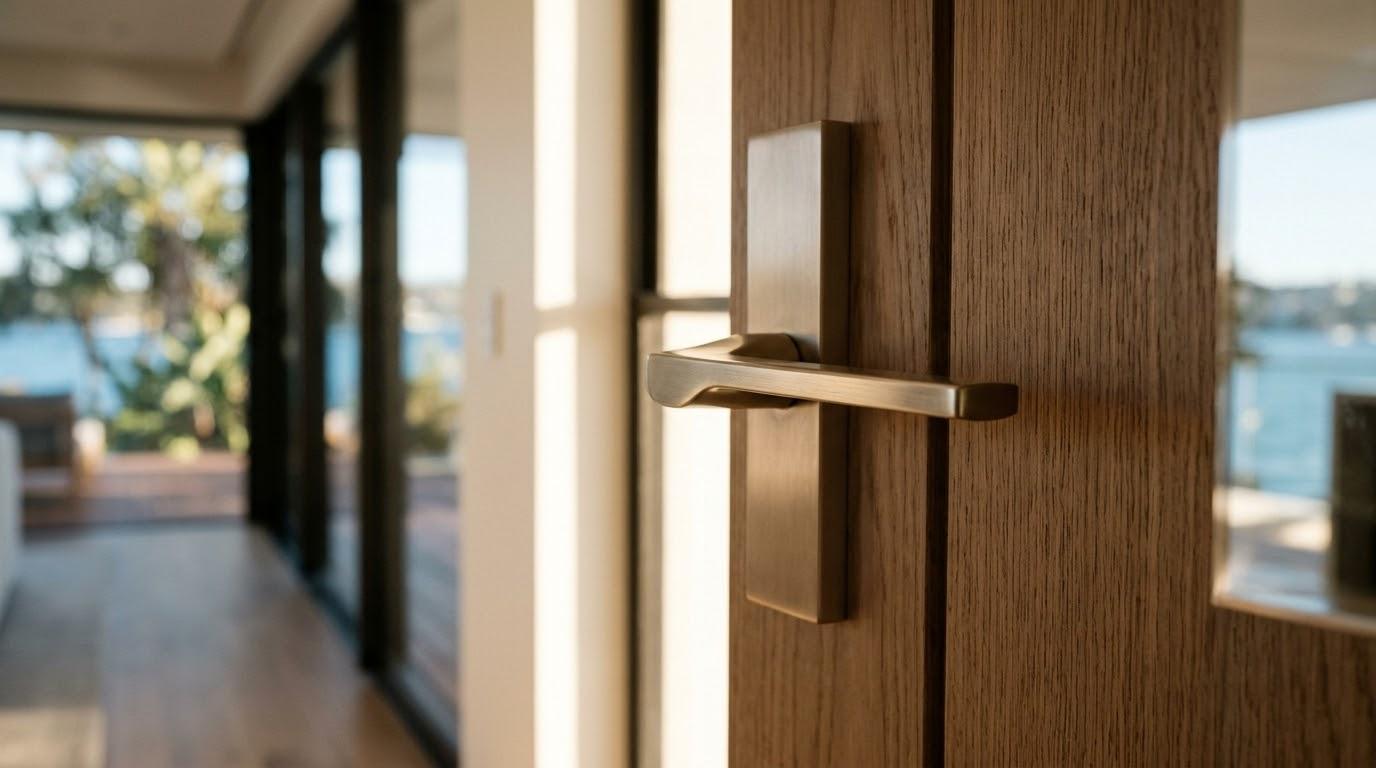
Door handles are an important part of any residential or commercial building. Although they may appear to be small details, they influence the overall appearance, functionality, and convenience of doors. From contemporary homes to commercial offices, selecting suitable door handles helps create a consistent interior design while supporting everyday use.
Modern architectural designs focus on combining appearance with practicality. Door hardware is available in different shapes, materials, finishes, and styles to complement various spaces. Whether renovating an existing property or completing a new construction project, choosing the right handles can improve the overall look and usability of doors.
For homeowners, architects, builders, and interior designers, finding architectural door handles in Sydney involves considering several factors, including design preferences, material quality, durability, and the type of door being used.
Why Are Architectural Door Handles Important?
Door handles serve a practical purpose by allowing people to open and close doors comfortably. However, they also contribute to the visual character of a property.
Well-designed handles complement other architectural elements, including door frames, cabinetry, flooring, and fixtures. They can create a coordinated appearance throughout a building while making doors easier to operate.
Some important benefits include:
- Improving the appearance of interior and exterior doors.
- Supporting comfortable everyday operation.
- Complementing different architectural styles.
- Providing suitable options for residential and commercial properties.
- Offering different finishes to match existing hardware.
- Supporting functional and practical door designs.
Selecting handles that balance appearance and usability helps create a more complete interior design.
What Types of Architectural Door Handles Are Available?
Different properties require different handle designs depending on the door type, installation location, and preferred appearance. Understanding the available options makes it easier to select suitable hardware.
Lever Door Handles
Lever handles are among the most common choices for residential and commercial buildings. Their horizontal design provides a comfortable grip and allows doors to be operated with a simple downward movement.
They are available in various styles, from minimalist designs to more traditional decorative options. Lever handles are suitable for bedrooms, living areas, offices, and other internal spaces.
Pull Door Handles
Pull handles are commonly used on larger doors, glass doors, entry doors, and commercial installations. They are designed to provide a convenient gripping surface when opening or closing a door.
Depending on the application, pull handles may be installed vertically or horizontally. Their appearance can also create an attractive feature on contemporary doors.
Flush Door Handles
Flush handles are designed to sit within the surface of a door rather than projecting outward. They are frequently used on sliding doors, cavity doors, and other installations where a streamlined appearance is preferred.
Their compact design helps maintain a clean finish while providing a practical gripping area.
Privacy Door Handles
Privacy handles are commonly installed on bathroom doors, bedroom doors, and other areas where additional privacy is required.
Many designs include an integrated locking mechanism that allows the door to be secured from the inside. The appropriate locking arrangement depends on the door type and intended application.
Which Materials Are Suitable for Architectural Door Handles?
The material used in door hardware influences its appearance, durability, maintenance requirements, and suitability for different environments.
Stainless Steel
Stainless steel is a popular choice for modern architectural projects because of its strength, durability, and resistance to corrosion. It is suitable for many residential and commercial applications.
Its clean appearance also complements contemporary interior styles.
Brass
Brass handles offer a distinctive appearance that works well in both traditional and modern interiors. Depending on the finish, they can create a warm, classic, or sophisticated look.
Brass is available in polished, brushed, and other decorative finishes.
Aluminium
Aluminium is a lightweight material used in various architectural hardware products. It offers design flexibility and is available in different colours and finishes.
It can be suitable for applications where lightweight construction and contemporary styling are important.
Zinc Alloy
Zinc alloy is commonly used in decorative door hardware. It allows manufacturers to create different shapes and designs while offering a range of surface finishes.
When selecting this material, buyers should consider the product’s construction quality and suitability for its intended usage.
How Do You Choose the Right Door Handles for Your Property?
Choosing suitable handles requires more than selecting a design that looks attractive. The hardware should match the door, installation environment, and daily usage requirements.
Consider the Door Type
Different doors require different handle configurations. Internal hinged doors, sliding doors, glass doors, and entrance doors may need specific mounting arrangements and operating mechanisms.
Always check product compatibility before purchasing.
Match the Interior Design
Consider the existing colours, materials, and fixtures throughout the property. Matching handles with hinges, locks, cabinet fittings, and other hardware can create a coordinated appearance.
For minimalist interiors, simple shapes and clean finishes may be appropriate. Traditional properties may benefit from more decorative designs.
Check Handle Size and Proportions
The handle should be proportionate to the door’s size and design. Large doors may require longer pull handles, while smaller internal doors may work better with compact lever designs.
Correct measurements also help ensure comfortable operation.
Evaluate Durability
Doors in busy commercial environments may experience frequent use throughout the day. In these situations, hardware should be selected according to expected usage, material quality, and manufacturer specifications.
For external applications, consider exposure to moisture, temperature changes, and other environmental conditions.
Consider Comfort and Accessibility
A comfortable grip is important for everyday use. Handle shape, positioning, and operating force should be considered, particularly in buildings used by children, older people, or individuals with mobility requirements.
Where applicable, follow relevant accessibility and building requirements.
What Are the Latest Trends in Architectural Door Handle Designs?
Modern architectural hardware focuses on simple styling, practical operation, and finishes that complement contemporary interiors.
Some popular design preferences include:
- Matte black handles for modern and industrial interiors.
- Brushed stainless steel for a clean, understated appearance.
- Satin brass for warm and elegant spaces.
- Minimalist lever handles for contemporary homes.
- Oversized pull handles for feature doors.
- Coordinated hardware finishes throughout the property.
These design choices allow homeowners and designers to create consistent interiors without overlooking functional requirements.
How Should You Maintain Door Handles?
Regular maintenance helps preserve the appearance and operation of door hardware.
Clean handles using a soft cloth and cleaning products recommended by the manufacturer. Avoid abrasive materials or harsh chemicals that may damage protective coatings and decorative finishes.
Check fixing screws periodically to ensure handles remain securely attached. If a handle becomes loose, stiff, or difficult to operate, inspect the mechanism and arrange repairs when necessary.
For properties with high foot traffic, regular inspections can help identify signs of wear before they affect everyday operation.
Frequently Asked Questions
What are architectural door handles?
Architectural door handles are functional hardware components designed to operate doors while complementing the overall appearance of residential and commercial buildings.
Which door handle material is best?
Stainless steel, brass, aluminium, and zinc alloy are commonly used materials. The best option depends on the installation environment, desired finish, durability requirements, and budget.
Are lever handles suitable for commercial buildings?
Yes. Lever handles are widely used in offices, retail properties, and other commercial environments because they offer convenient operation and are available in different designs.
How do I select handles for sliding doors?
Sliding doors generally require handles designed for their specific construction. Flush handles, recessed pulls, and suitable pull handles are common options, depending on the door configuration.
How often should door handles be maintained?
Door handles should be cleaned regularly and inspected periodically. Maintenance frequency depends on usage, environmental conditions, and manufacturer recommendations.
Conclusion
Door handles are an essential architectural detail that combines everyday functionality with interior design. Selecting suitable materials, styles, sizes, and finishes helps improve the appearance and usability of residential and commercial properties.
When choosing architectural door handles in Sydney, homeowners, builders, and designers should consider door compatibility, product quality, comfort, durability, and overall design preferences. With the right selection and regular maintenance, door hardware can complement the property while providing practical performance for everyday use.