
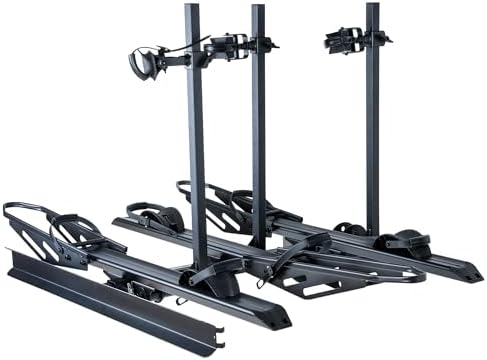
Electric bicycles are becoming increasingly popular for commuting, recreational riding and outdoor adventures. However, transporting these bicycles safely can be challenging because they are generally heavier and bulkier than conventional bikes. Choosing the right bike rack for electric bikes can make travelling with an e-bike more convenient while helping protect it from unnecessary damage. Whether planning a weekend cycling trip or transporting a bicycle between locations, selecting a suitable rack requires attention to weight capacity, mounting style, security and compatibility.
Why Do You Need a Dedicated Electric Bike Rack?
Electric bikes feature additional components such as motors and rechargeable batteries, which can increase their overall weight. Standard bicycle racks may not always be designed to support these additional loads.
A suitable rack provides a secure platform for carrying electric bicycles during road trips and everyday transportation. It also helps reduce the need to dismantle the bicycle or find alternative ways to transport it.
Different Types of Bike Racks for Electric Bikes
Understanding the available rack designs can help buyers identify an option that suits their vehicle and transportation requirements.
1. Hitch-Mounted Bike Racks
Hitch-mounted racks attach to a vehicle’s tow hitch and are commonly considered for transporting heavier bicycles. Many models feature dedicated loading platforms, making it easier to position electric bikes securely.
Some designs also include tilting mechanisms that provide access to the vehicle’s rear storage area.
2. Platform Bike Racks
Platform racks support bicycles using dedicated wheel trays and securing mechanisms. They are designed to provide stable positioning during transportation.
Their loading arrangements can make them particularly convenient for heavier electric bicycles.
3. Foldable Bike Racks
Foldable racks are designed to collapse when they are not being used. This makes storage more manageable, especially for people with limited garage or parking space.
4. Vertical Bike Racks
Vertical racks hold bicycles in an upright position and can be useful for transporting multiple bicycles, provided the rack is specifically rated for their combined weight and dimensions.
Important Features to Consider Before Buying
Selecting a suitable rack involves more than comparing appearance and price. Consider these important features:
Weight Capacity: Check the maximum load rating of the rack and ensure it can safely support the weight of your electric bicycle.
Vehicle Compatibility: Confirm that the rack is compatible with your vehicle’s hitch, mounting points and towing specifications.
Loading Convenience: Look for designs that allow easy loading and unloading without excessive lifting.
Security Features: Integrated locks and secure attachment systems can help reduce the risk of bicycle theft during transportation.
Wheel Compatibility: Check whether the wheel trays and straps accommodate your electric bike’s tyre width and wheel size.
Durability: Strong materials and weather-resistant finishes can contribute to long-term performance.
Tips for Transporting Electric Bikes Safely
Before loading your bicycle, check that the rack is correctly installed and secured according to the manufacturer’s instructions. Remove loose accessories and consider removing the battery if recommended by the bicycle manufacturer and rack instructions.
Position the bicycle carefully, secure the wheels and frame using the designated attachment points, and check that no components interfere with the vehicle’s lights or number plate. Always follow the rack’s load limits and vehicle manufacturer’s guidelines.
Common Mistakes to Avoid
One common mistake is choosing a conventional bicycle rack without checking whether it supports the additional weight of an electric bicycle. Another is overlooking tyre width, frame design and vehicle compatibility.
Buyers should also avoid exceeding the rack’s maximum weight capacity or relying on unsuitable straps and improvised mounting arrangements. Checking these details before purchasing can prevent transportation difficulties.
Conclusion
Transporting an electric bicycle becomes easier when the right equipment is available. A suitable bike rack for electric bikes provides a practical way to carry heavier bicycles while supporting safe and organised transportation. By comparing weight capacity, mounting options, security features and vehicle compatibility, buyers can choose a rack that meets their requirements. Investing in a well-designed solution can make cycling trips, holidays and everyday transportation more convenient.