
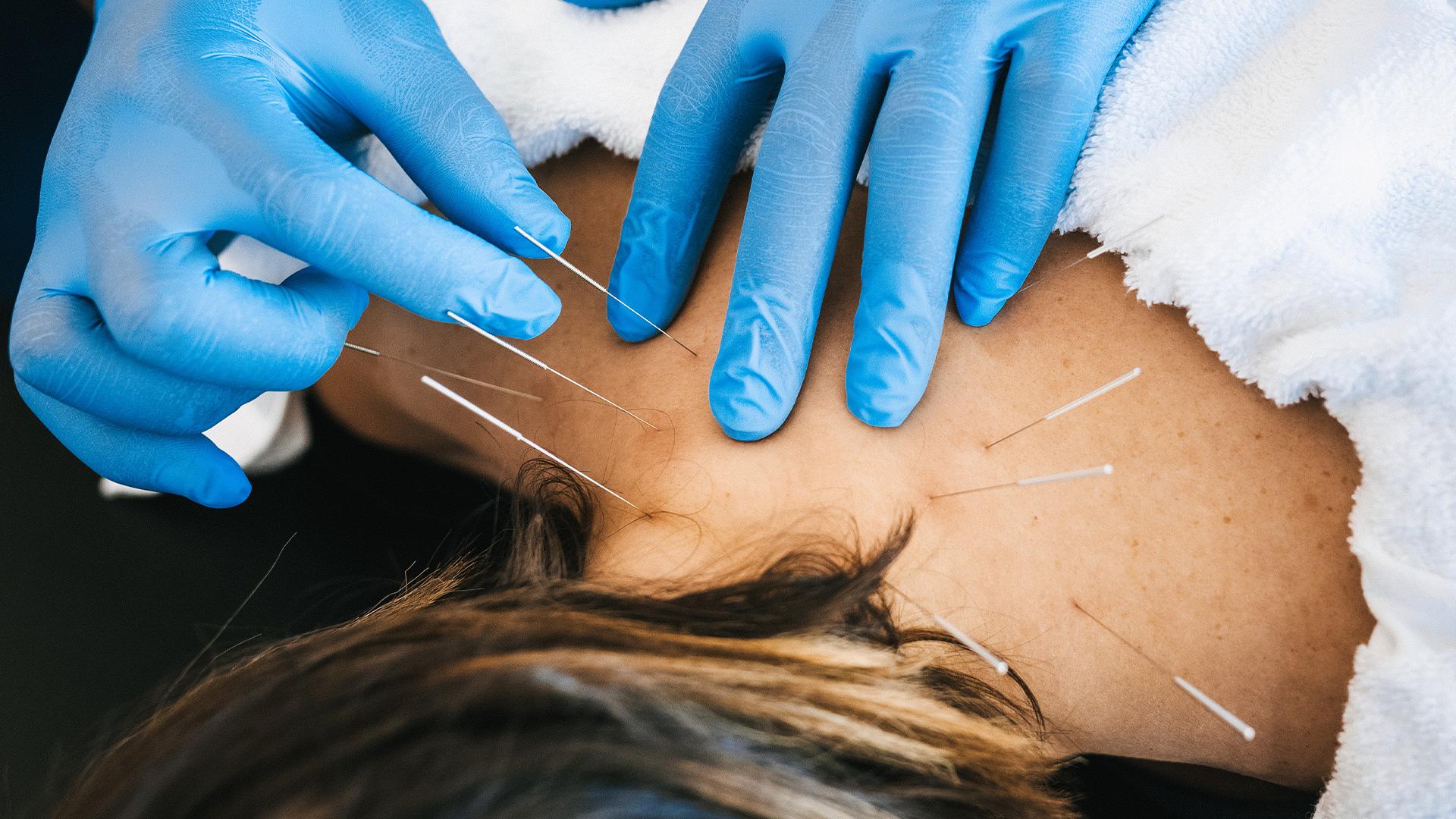
Muscle tightness, trigger points and ongoing discomfort can affect movement and make everyday activities less comfortable. Alongside exercise, stretching and other physical therapies, some people explore needling-based techniques as part of their approach to managing muscular concerns. Dry acupuncture is one such technique, commonly used by trained practitioners to target specific areas of muscle tension and sensitivity.
Understanding how it works, what it may be used for and what to expect can help people make informed decisions about whether it is suitable for their needs.
What Is Dry Acupuncture?
Dry acupuncture is a needling technique that involves inserting fine, sterile needles into selected areas of soft tissue. Unlike traditional acupuncture, which is based on traditional Chinese medicine principles and commonly follows specific acupuncture points, dry needling techniques generally focus on muscular trigger points and areas of tissue sensitivity.
The technique is often considered alongside broader physical therapy rather than as a standalone approach.
How Does the Treatment Work?
During a session, a trained practitioner assesses the affected area before selecting suitable points for treatment. Fine needles are then inserted into the targeted muscle or soft tissue.
The process may involve:
- Assessing movement and the affected area.
- Identifying tight or sensitive muscle regions.
- Selecting appropriate points for needling.
- Inserting sterile, single-use needles.
- Monitoring the response of the treated area.
- Removing the needles and reassessing movement or symptoms.
The exact technique can vary depending on the practitioner’s training and the individual’s condition.
What Is Dry Acupuncture Used For?
Needling techniques may be considered when muscular tension or trigger points are contributing to discomfort or restricted movement. It may form part of a treatment plan for issues involving areas such as the neck, shoulders, back or limbs.
It is sometimes used alongside:
- Manual therapy
- Mobility exercises
- Strengthening exercises
- Stretching
- Movement rehabilitation
- Education about posture and activity
A suitable treatment plan depends on the individual’s symptoms, physical condition and assessment findings.
What Can a Person Expect During a Session?
The experience can vary from person to person. Some people may notice a brief sensation when the needle is inserted, while treatment of sensitive muscle areas can produce a temporary twitch or aching sensation.
After treatment, mild soreness or tenderness can occur in the treated area. These effects are generally temporary, but individuals should discuss any concerns with their practitioner.
Is Dry Acupuncture Suitable for Everyone?
Not necessarily. A practitioner should consider a person’s health history, current symptoms, medications and other relevant factors before treatment. Certain medical circumstances may require additional caution or make needling unsuitable.
A proper assessment is therefore an important part of deciding whether this technique is appropriate.
Why Is Practitioner Training Important?
Needling involves inserting an instrument through the skin, so hygiene, anatomy knowledge and appropriate technique are important. A qualified and appropriately trained practitioner can assess the treatment area, use sterile equipment and follow suitable safety procedures.
Patients should feel comfortable asking about the practitioner’s qualifications, the treatment process and any potential side effects before beginning a session.
Understanding Dry Acupuncture as Part of Care
Dry acupuncture may be used as one component of a broader approach to muscular care. Rather than relying on a single technique, practitioners may combine needling with movement-based treatment and rehabilitation strategies according to the individual’s needs.
This approach can help address both immediate muscular concerns and the movement patterns that may contribute to recurring discomfort.
Conclusion
Dry acupuncture is a targeted needling technique commonly used to address muscle tightness, trigger points and soft-tissue concerns. The treatment involves fine sterile needles and should be performed by an appropriately trained practitioner following a suitable assessment.
For people considering dry acupuncture, understanding the technique, possible sensations, safety considerations and role within a broader treatment plan can help them make an informed choice about their care.




