With limited space and dense infrastructure, carports roofing in Sydney CBD demands practical planning and durable materials. Whether for residential apartment complexes, commercial premises, or shared parking spaces, a well-constructed carport roof protects vehicles while complementing the built environment.
Sydney CBD’s environment exposes structures to urban pollutants, changing weather, and occasional high winds. The roofing for carports in such areas must be designed with both resilience and space efficiency in mind.
What Roofing Materials Are Commonly Used?
- Polycarbonate Panels – These are lightweight, UV-resistant, and allow filtered natural light. They’re often selected where visibility or aesthetics are important, such as near entrances or residential buildings.
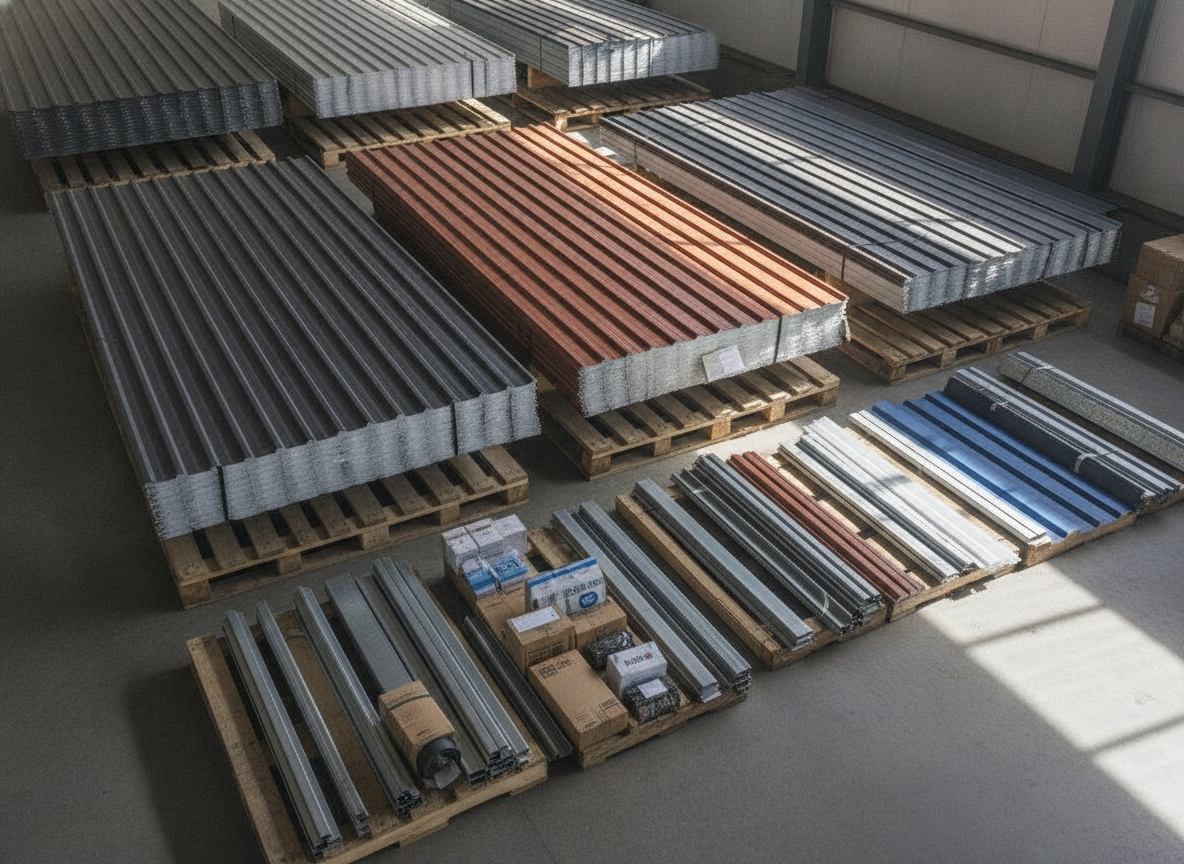
- Metal Sheeting (Zinc, Steel, Aluminium) – Corrugated metal offers durability and strength. It handles wind loads well and suits both flat and pitched designs common in CBD structures.
- Insulated Roof Panels – These include a layer of insulation between metal sheets. They provide better thermal regulation and help reduce sound from heavy rain or city activity.
- Tensile Fabric or Shade Cloth – In some modern designs, stretched fabric roofs offer a minimalist look. While less durable, they are lightweight and ideal for temporary or semi-covered installations.
What Design Factors Must Be Considered?
- Height and Clearance – Carports must be tall enough to accommodate various vehicles, including larger SUVs. However, they should not interfere with neighbouring windows or structures.
- Ventilation and Airflow – Proper roof slope and open sides ensure adequate ventilation, preventing heat accumulation beneath the roof on hot days.
- Drainage Direction and Gutters – Sloped roofing should guide water toward appropriate drainage points, avoiding overflow into adjacent spaces or building walls.
- Sunlight Orientation – The position of the roof affects how much sunlight reaches the vehicles. Materials with UV filtering help minimise internal car heating.
How Do Local Conditions in Sydney CBD Influence Roofing Choices?
- Proximity to Other Buildings – Carport designs in the CBD must accommodate tight property lines and varied building heights. This often leads to custom roofing solutions.
- Noise and Privacy Considerations – In residential or mixed-use areas, materials with noise-dampening properties and low visual impact are preferred.
- Wind Load Ratings – High-rise buildings can funnel strong wind gusts downwards. Roofing materials and fixings must be rated for increased wind pressure.
- Council and Strata Regulations – Approval may be needed for structures visible from the street or shared by multiple tenants. Design must comply with height, drainage, and fire safety standards.
What Maintenance Is Required for Carport Roofing?
- Regular Debris Removal – Leaves, twigs, and litter should be cleared regularly from flat roofs and gutters to prevent blockage and moisture damage.
- Check for Rust or Discolouration – Metal sheets should be inspected for signs of corrosion. Protective coatings should be touched up where needed.
- Inspect Fixings and Structural Joints – Fasteners and connections can loosen over time due to vehicle vibration or city traffic. Tightening them prevents long-term damage.
- Wash Polycarbonate Panels Carefully – Transparent panels require periodic cleaning to maintain clarity. Avoid abrasive materials that can scratch the surface.
Constructing or upgrading carports roofing supplies in Sydney cbd requires a thoughtful approach to design, material selection, and compliance with local standards. With careful planning, a carport roof can provide reliable protection, efficient use of space, and a finish that enhances the surrounding environment. In a compact and demanding urban centre, well-executed roofing solutions contribute to both function and aesthetics.