
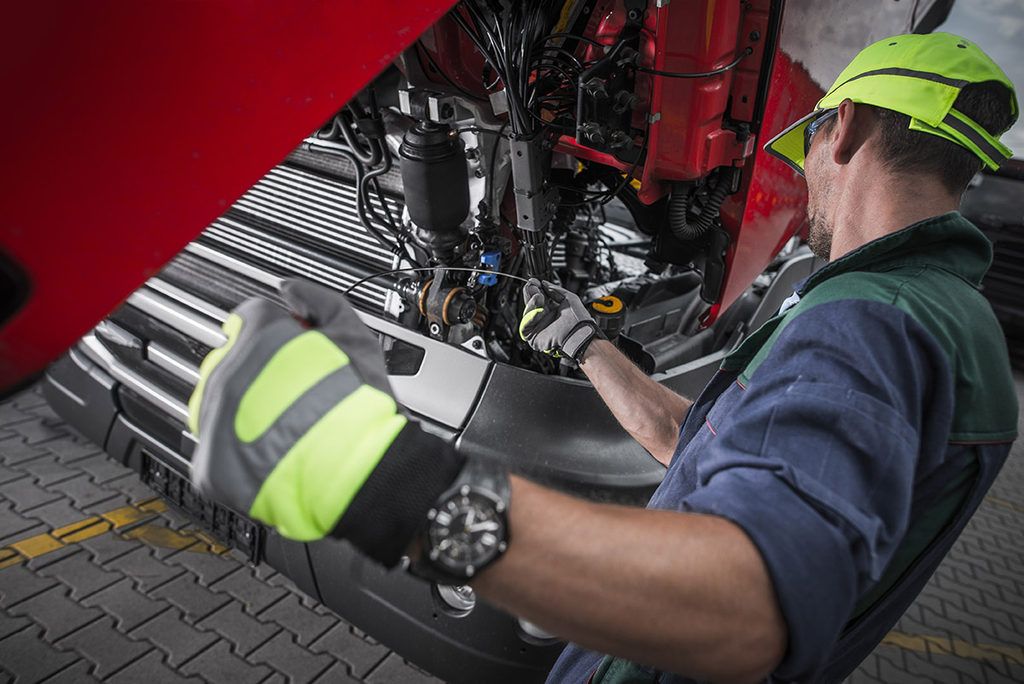
A truck engine is one of the most important components of a commercial vehicle. When engine problems occur, they can affect daily operations, delivery schedules and business productivity. For transport operators and fleet owners, finding truck engine repair near you becomes a priority when unexpected mechanical issues arise. Understanding common engine problems, repair challenges and maintenance requirements can help truck owners make informed decisions and avoid unnecessary vehicle downtime.
Common Truck Engine Problems
Truck engines operate under demanding conditions, often covering long distances while carrying heavy loads. Continuous operation can contribute to mechanical wear and performance issues.
Some common engine problems include:
- Engine overheating: Cooling system faults, coolant leaks or radiator problems can cause excessive engine temperatures.
- Loss of engine power: Fuel system issues, blocked filters or engine component faults may reduce performance.
- Excessive exhaust smoke: Changes in exhaust colour may indicate fuel combustion or engine-related problems.
- Oil leaks: Damaged seals, gaskets or connections can lead to oil loss.
- Starting difficulties: Battery issues, fuel delivery problems or starter motor faults may prevent the engine from starting.
- Unusual engine noises: Knocking, rattling or grinding sounds may indicate internal mechanical concerns.
Identifying these symptoms early can help prevent further damage.
Major Pain Points Faced by Truck Owners
Truck owners and transport businesses often experience several challenges when engine problems develop.
Unexpected Vehicle Downtime
A truck that suddenly stops operating can disrupt deliveries, business schedules and transport commitments. Delayed repairs may increase operational pressure, particularly for businesses that depend on multiple vehicles.
High Repair Costs
Engine repairs can involve significant expenses depending on the nature of the fault. Customers often worry about unexpected costs, replacement components and additional labour requirements.
Difficulty Finding Experienced Mechanics
Heavy vehicle engines require specialised mechanical knowledge and diagnostic equipment. Finding a workshop capable of identifying complex engine faults can be challenging for truck owners.
Delayed Spare Parts Availability
Some engine components may not be readily available. Waiting for suitable replacement parts can extend repair times and affect business operations.
Unclear Repair Recommendations
Customers may find it difficult to understand technical problems, repair options and estimated costs. Clear explanations help truck owners make confident maintenance decisions.
Why Professional Engine Diagnosis Matters
Accurate diagnosis is an important first step in resolving engine problems. Modern diagnostic equipment can help identify fault codes and potential issues within different engine systems.
Professional mechanics may inspect fuel delivery, cooling systems, lubrication, electrical components and engine performance. This approach helps identify the underlying cause rather than simply addressing visible symptoms.
Customers searching for truck engine repair near you should consider workshops with relevant heavy vehicle experience and suitable diagnostic capabilities.
How Regular Maintenance Helps Prevent Engine Problems
Preventive maintenance can help reduce the likelihood of unexpected engine failures. Regular servicing allows mechanics to inspect important components and identify early signs of wear.
Important maintenance activities include:
- Checking engine oil levels and condition.
- Inspecting coolant levels and cooling system components.
- Replacing fuel and air filters when required.
- Checking belts, hoses and connections.
- Monitoring engine warning lights and performance changes.
- Following recommended servicing intervals.
Maintaining service records can also help fleet operators plan repairs and manage vehicle maintenance schedules.
Choosing the Right Truck Engine Repair Service
Selecting a suitable repair workshop involves considering several factors. Truck owners should look for experienced heavy vehicle mechanics, transparent repair estimates, appropriate diagnostic facilities and access to compatible replacement parts.
It is also important to understand the expected repair timeframe and whether additional work may be required after the initial inspection.
A professional workshop should communicate the identified problems, explain available repair options and provide clear information before carrying out major work.
Conclusion
Engine problems can create financial pressure, operational delays and unexpected challenges for truck owners. From overheating and oil leaks to reduced engine power, identifying mechanical issues early is essential. Finding reliable truck engine repair near you can help vehicle owners access professional diagnosis, suitable repairs and ongoing maintenance support. A proactive approach to engine care can help businesses maintain their vehicles and manage unexpected repair requirements more effectively.