Skip bags have become a popular way to handle rubbish from renovations, garden work and clear-outs. If you are new to using skip bags, this guide explains how they work, what to consider before ordering and how to get the most out of them so your project stays organised from start to finish.
What a Skip Bag Is
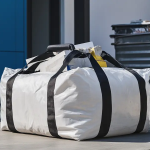
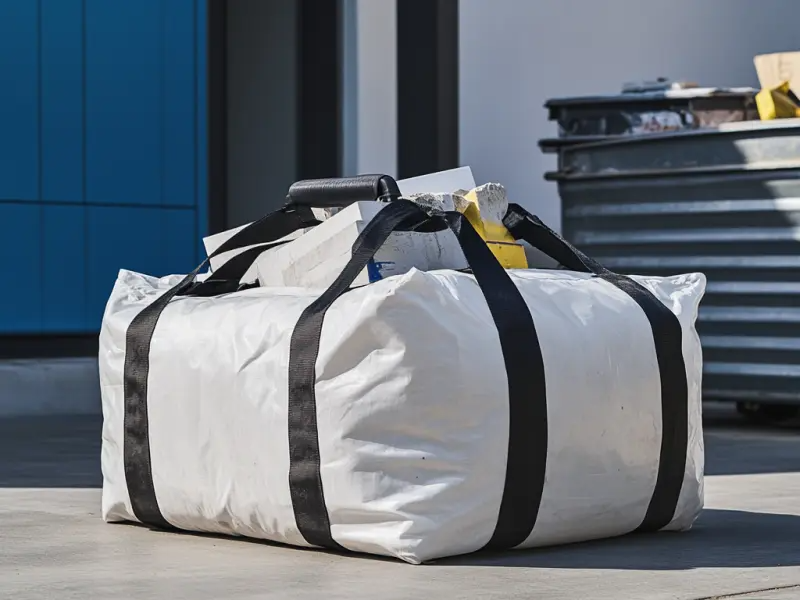
A skip bag is a large, strong bag that you fill with waste and have collected when you are finished. Because it sits on the ground and does not need as much space as a traditional bin, it is useful for smaller driveways, courtyards and tight sites.
Where Skip Bags Are Useful
They suit many jobs, including home renovations, garden clean-ups, moving house and general clear-outs. Whenever you expect a moderate to large amount of waste, a skip bag can keep it contained and off the ground until it is removed.
Choosing the Right Size
Think about how much waste you will produce and how it will be loaded. Bags come in different sizes, usually described in cubic metres. If you are unsure, describe your project to your provider and ask for a recommendation.
Placing the Bag
Choose a flat spot near where you are working, with enough room for the bag to be dropped off and collected. Check that no overhead wires, low branches or parked cars will block access. Easy access makes both loading and collection simpler.
Know What Is Allowed
There are rules about what can go into a skip bag. Some materials are restricted or need special handling. Ask your provider for a clear list and keep it handy, so that nobody on site puts something in the bag that should not be there.
Load Carefully
Place heavier materials first and avoid overfilling. Keep the load within the recommended limits so that the bag can be lifted safely. Break down large items and keep sharp materials contained to protect the bag and people.
Stay Organised
Keep the area around the bag clear and tidy. Cover the bag if rain is expected, and arrange collection when it is nearly full. Staying organised keeps your project moving and avoids clutter building up around the site.
Check Local Rules
Placement rules can vary between areas, especially if the bag will be left on a street or nature strip. Check with your local council or your provider before ordering. A quick check at the start helps you avoid problems later and keeps your project compliant.
Ask for Help When You Need It
If you are unsure about sizes, accepted materials or collection times, ask your provider before booking. Explaining your project helps them recommend the right option. Clear advice at the start saves time, money and frustration later.
Final Thoughts
Skip bags are a flexible, practical solution for many types of projects. Choose the right size, place the bag well, follow guidance on accepted materials and load it carefully. With good planning, waste removal becomes one less thing to worry about.