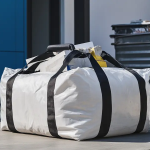

When a project creates a lot of waste, you need a plan for where it will go. If you are weighing up skip bin bags against a traditional bin, this guide compares the two so you can decide which option fits your site, your schedule and the kind of rubbish you need to remove.
Space on Your Property
Traditional bins are rigid and need a large, level area with clear access. Skip bags are more flexible and often fit narrower driveways, courtyards and tight side access. Measure your available space before you decide, because it often settles the question straight away.
Type of Waste
Think about what you are throwing out. Green waste, packaging and household clear-outs suit bags well, while very heavy or sharp materials may need a different approach. Ask your provider what each option can handle so that you choose the right one for your materials.
Loading Style
A bag sits low to the ground, so it can be easier to load by hand, especially for items that need to be lifted rather than tossed. Rigid bins may have high sides. Consider who will be doing the loading and how heavy the items are.
Project Length
Short, quick jobs are well suited to a single bag. Longer projects that produce waste continuously may need repeat collections or a larger option. Match the waste container to the duration of your work, and book collection when the bag is nearly full.
Access for Collection
Both options need a vehicle to reach them. Check for overhead wires, low branches and tight turns that could cause problems. Clear access matters for any collection and prevents delays on the day.
Placement Rules
Rules about leaving containers on streets or nature strips can vary by area. Check requirements with your local council or provider before you book, so that you are not caught out by a restriction you did not know about.
Safety on Site
Whichever option you choose, keep the area tidy and keep children and pets away. Wear gloves and sturdy shoes when loading and never climb inside to compact waste. Good habits protect everyone involved in the project.
Convenience and Planning
Consider how easy it is to order, receive and arrange collection. A simple process saves time and effort when you are busy with other jobs. Ask questions before you book, so that you feel comfortable with how everything works.
Ask Before You Book
If you are unsure which option suits your job, describe your project to your provider and ask for a recommendation. Mention the type of waste, the amount and your access. A short conversation often clears up the choice and prevents costly mistakes.
Final Thoughts
Skip bags and traditional bins both have a place, and the best choice depends on your space, waste and timing. Compare access, loading and rules, and ask your provider for advice. A thoughtful decision keeps your project tidy and moving.