Renovations, garage clear-outs and garden makeovers can generate far more waste than a standard bin can handle. That is where bulk bag rubbish removal becomes a practical solution, giving you a large, flexible container you can fill at your own pace and have collected when you are ready. Planning ahead makes the whole process faster, tidier and far less stressful.
Why Bulk Bags Suit Big Clean-Ups
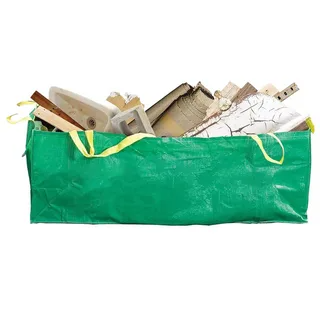
Bulk bags are designed to hold bulky, mixed waste such as building offcuts, old furniture pieces, green waste and household clutter. Unlike a rigid bin, a bag can be placed in tighter spaces, including driveways and backyards, and filled gradually as the project progresses. This flexibility is especially useful when you are working over several days or weekends, because there is no pressure to finish everything in one sitting.
Choosing the Right Size for Your Project
Size matters when it comes to waste. A bag that is too small can mean a second booking, while one that is too large can mean paying for space you do not need. Think about the type of project, estimate the volume of material and consider how heavy it may be. Dense materials such as soil, bricks and tiles reach a bag’s weight limit quickly, so it is worth confirming limits with your provider before you start.
Packing Tips That Make a Difference
- Break down large items so they sit flat and use space efficiently.
- Place heavier material at the bottom and lighter items on top.
- Keep sharp objects contained so they do not damage the bag or create hazards.
- Avoid overfilling, as an evenly loaded bag is safer to lift and collect.
- Keep the area around the bag clear so collection is quick and simple.
What You Should Leave Out
Not every material is suitable for a bulk bag. Hazardous items such as chemicals, paints, gas bottles and asbestos usually require specialist handling and are commonly excluded. Always check what your provider accepts, and follow local regulations for anything that needs special disposal. Doing this early helps you avoid delays, extra charges and safety issues.
Sorting Waste Before You Start
Sorting waste before you fill the bag pays off. Separate items that can be reused, donated or recycled, such as working appliances, timber and metal. Doing this reduces the volume you need to dispose of and can lower the number of bags required. It also keeps your clean-up organised, so you always know what has been dealt with.
Getting Started
A well-planned clean-up saves time and energy. Work out what needs to go, choose a suitable bag size, pack carefully and arrange collection for a date that suits your schedule. With a little preparation, even the biggest job becomes manageable, leaving you free to focus on the part of the project you actually enjoy.