
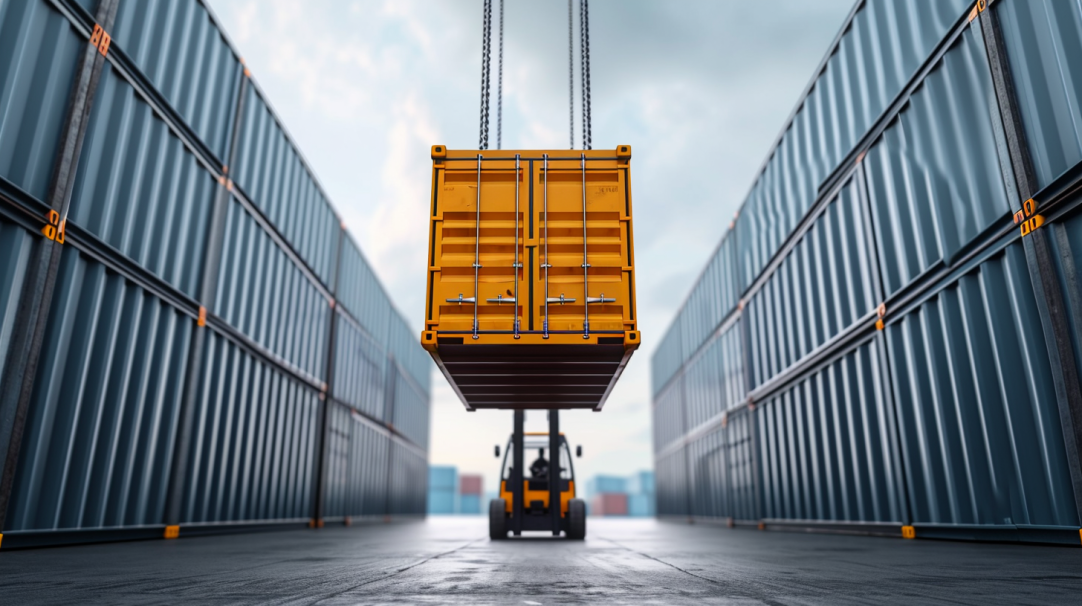
Moving shipping containers over short distances requires careful planning, suitable equipment, and reliable handling. For businesses moving goods between warehouses, construction sites, ports, distribution centres, or storage facilities, local container transport can provide a practical way to keep deliveries organised and efficient. Understanding the process, vehicle requirements, safety considerations, and planning steps can help businesses manage container movements more effectively.
What Is Local Container Transport?
Local container transport involves moving shipping containers within a nearby or regional area rather than transporting them across long interstate or international routes. Containers may carry commercial stock, machinery, construction materials, equipment, or other approved goods.
Depending on the container size and destination, specialised trucks and trailers are commonly used to load, secure, transport, and unload containers safely.
When Is Local Container Transport Needed?
Businesses may require container transport for several situations, including:
- Moving containers between warehouses
- Delivering containers to construction sites
- Transporting imported goods from a nearby port
- Relocating storage containers
- Moving equipment between commercial properties
- Supporting temporary storage requirements
- Transferring goods between distribution facilities
Planning the movement in advance helps ensure the appropriate vehicle and equipment are available for the job.
Choosing the Right Transport Equipment
Different containers and delivery locations may require different transport solutions. Standard shipping containers, refrigerated containers, specialised units, and heavier loads can have different handling requirements.
The transport provider should consider factors such as container dimensions, weight, access conditions, loading method, and destination before selecting a suitable truck and trailer.
Why Access Planning Matters
One of the most important parts of a container delivery is checking the destination beforehand. Narrow entrances, low overhead clearances, tight corners, uneven surfaces, restricted roads, and limited unloading space can create difficulties for large transport vehicles.
Providing accurate site information allows the transport operator to plan the safest and most practical approach. For difficult locations, photographs, measurements, and access details can be useful during the planning stage.
How to Prepare a Container for Transport
Before collection, the container should be checked and prepared properly. Goods inside the container should be packed and secured to reduce movement during transit. Doors should be closed and secured, while the overall container condition should be checked before loading.
It is also useful to confirm the container’s dimensions and weight in advance. Accurate information helps the transport provider determine the appropriate equipment and avoid unnecessary delays.
Benefits of Professional Container Transport
Using an experienced transport provider can make local container movements easier to coordinate. Professional operators understand vehicle requirements, loading procedures, road conditions, and site access considerations.
A well-planned service can also help businesses reduce handling issues, improve delivery coordination, and keep container movements aligned with warehouse or project schedules.
Common Factors That Can Affect Delivery
Several factors may influence the timing and cost of a container movement. These can include:
- Container size and weight
- Distance between collection and delivery points
- Road conditions
- Site accessibility
- Loading and unloading requirements
- Traffic conditions
- Special equipment requirements
- Delivery time restrictions
Discussing these details before transport helps establish realistic expectations and reduces the risk of unexpected complications.
Safety Considerations for Container Transport
Safety should remain a priority throughout the transport process. Containers must be properly positioned and secured on the transport vehicle before travelling. Operators should also follow applicable road and workplace safety requirements.
The loading and unloading area should be kept clear of unnecessary people and obstacles. Site conditions should be assessed before equipment is operated, particularly when containers need to be placed in confined or busy areas.
How Businesses Can Make Container Deliveries Easier
A few simple preparation steps can improve the transport process:
- Confirm the container dimensions and weight.
- Provide accurate pickup and delivery addresses.
- Check vehicle access at both locations.
- Identify overhead or underground hazards.
- Prepare the loading and unloading areas.
- Confirm the preferred delivery timeframe.
- Discuss any special handling requirements in advance.
Good communication between the customer, transport provider, warehouse team, and site personnel can help keep the entire process organised.
Frequently Asked Questions
What is local container transport?
Local container transport is the movement of shipping containers between nearby locations using suitable trucks and trailers. It can be used for warehouses, construction sites, storage facilities, businesses, and other commercial locations.
Can containers be delivered to construction sites?
Yes, containers can often be transported to construction sites when the site has suitable vehicle access and sufficient space for safe unloading. Access requirements should be discussed before delivery.
What information is needed to arrange container transport?
Useful information includes the container size, approximate weight, pickup location, delivery location, access conditions, and preferred delivery timeframe.
How can container transport delays be reduced?
Accurate site information, proper container preparation, suitable transport equipment, and advance scheduling can help reduce avoidable delays.
Conclusion
Local container transport plays an important role in moving goods, equipment, and storage containers between nearby commercial locations. With the right equipment, careful access planning, secure loading, and clear communication, businesses can make container deliveries more organised and efficient. Preparing the container and destination before collection is one of the simplest ways to support a smooth transport process.